- Title 24 calls for high-performance insulation with set R-values.
- Proper insulation keeps temperature and humidity stable;
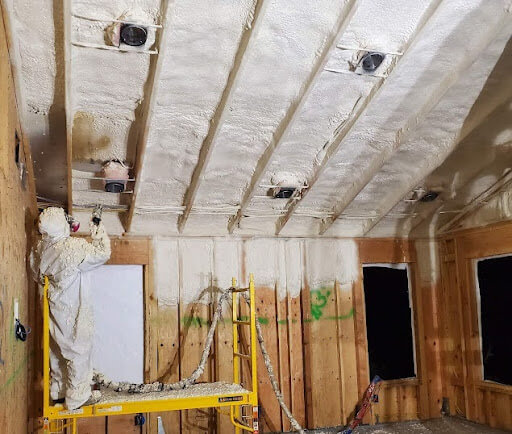
- closed-cell spray foam offers high R-values;
- building permits are often needed.
- USA Spray Me's spray foam meets California rules.
Overview of Wine Cellar Insulation in California
Stable temperature and humidity are essential; temperatures above 65°F or below 45°F harm wine. Title 24 requires high-performance insulation with specific R-values. Balance effectiveness, compliance and cost.
- Harmful above 65°F or below 45°F
Importance of Wine Cellar Insulation
Wine is sensitive to swings; good insulation keeps conditions steady so wine matures properly; without it even strong cooling units fail.
Current Challenges in Wine Cellar Insulation
California's outdoor temperature swings make stability harder; state standards require materials meeting performance and environmental goals; balance cost, effectiveness, compliance.
California Energy Code for Wine Cellars
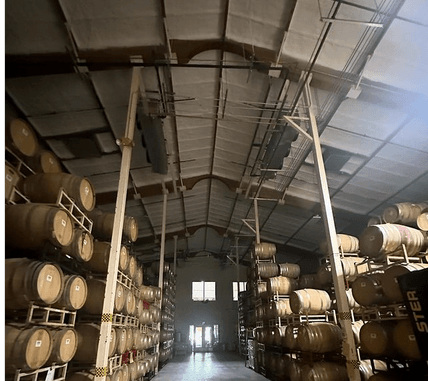
Title 24 cuts energy use and sets R-value requirements: R-38 ceilings in climate zones 1 and 11-16, R-30 in zones 2-10, minimum R-22 for wood-frame roofs. Closed-cell spray foam is a popular cellar choice.
- Ceilings R-38 (zones 1, 11-16)
- Ceilings R-30 (zones 2-10)
- Wood-frame roofs min R-22
Understanding Title 24 Requirements
Title 24 energy efficiency standards require specified R-values: ceilings R-38 in zones 1 and 11-16, R-30 in zones 2-10; wood-frame roof insulation at least R-22.
High-Performance Attics and Walls
Title 24 stresses well-insulated attics and walls; closed-cell spray foam's airtight seal reduces thermal bridging and air leakage.
Implications for Wine Cellars
Meeting Title 24 lowers energy costs by reducing cooling load and can extend cooling unit lifespan.
Permits and Compliance
Building permits typically required to build or renovate a California wine cellar; submit plans showing compliance with local codes and energy standards; consult a contractor or building official to avoid fines and rework.
Understanding R-Value in Wine Cellar Insulation
R-value measures thermal resistance. Fiberglass batt R-2.9 to R-3.8 per inch; closed-cell spray foam R-6 to R-7 per inch. Recommended minimums: R-19 walls, R-30 ceilings.
| Type of Insulation | R-Value per Inch |
|---|---|
| Fiberglass Batt | R-2.9 to R-3.8 |
| Closed-Cell Spray Foam | R-6 to R-7 |
R-Value Overview
Higher R-value means better insulation; consistent temperatures critical for wine.
Licensed, bonded & insured — free on-site inspections within 100 miles of San Francisco. Save $250 on orders over $2,500.
Typical R-Values by Material
Fiberglass batt about R-2.9 to R-3.8 per inch; closed-cell spray foam about R-6 to R-7 per inch.
Recommended R-Value for Wine Cellars
Walls at least R-19, ceilings at least R-30, to hold the 55°F to 58°F range.
- Walls: R-19 min
- Ceilings: R-30 min
- Target 55-58°F
Effective Insulation Solutions for Wine Cellars
Closed-cell spray foam: strong air and moisture barrier, high R-value per inch. Fiberglass: cheaper, easy install, seals less well causing gradual temperature shifts.
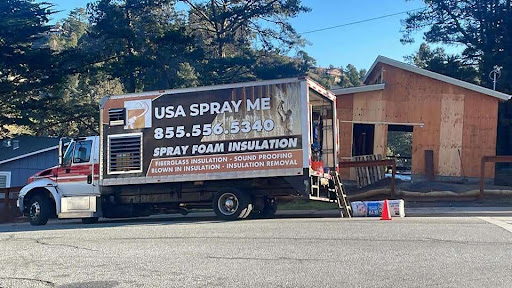
Closed-Cell Spray Foam Insulation
Strong barrier against air and moisture; high R-value per inch delivers resistance with less material, good for tight spaces.
Fiberglass Batt Insulation
Budget-friendly, easy install, moderate resistance; lacks air and moisture seal; may need more upkeep.
Comparative Analysis of Insulation Types
Closed-cell spray foam: highest R-value and best sealing, costs more. Fiberglass batt: cost-effective, more maintenance.
Choosing the Right Insulation for Your Wine Cellar
Cellars should stay 55-58°F with 60-70% humidity; insulation reduces heat transfer and air infiltration; balance budget and performance.
- 55-58°F
- 60-70% humidity
Key Considerations: Temperature, Humidity, and Cost
Ideal 55-58°F with 60-70% humidity; closed-cell costs more than fiberglass batt but performs better.
Long-Term Benefits of Proper Insulation
Reduces cooling workload, lowers energy costs, extends equipment life, prevents mold and mildew.
Get an Instant Quote From a Licensed California Insulation Contractor
USA Spray Me (CSLB Lic# 1058008) installs spray foam, blow-in, fiberglass and soundproofing insulation, foam roofing and protective coatings throughout the San Francisco Bay Area and within 100 miles of the city, including San Francisco. Call (855) 566-5340 or request a free inspection below — save $250 on orders over $2,500.