The Bay Area's Most Popular Attic Upgrade
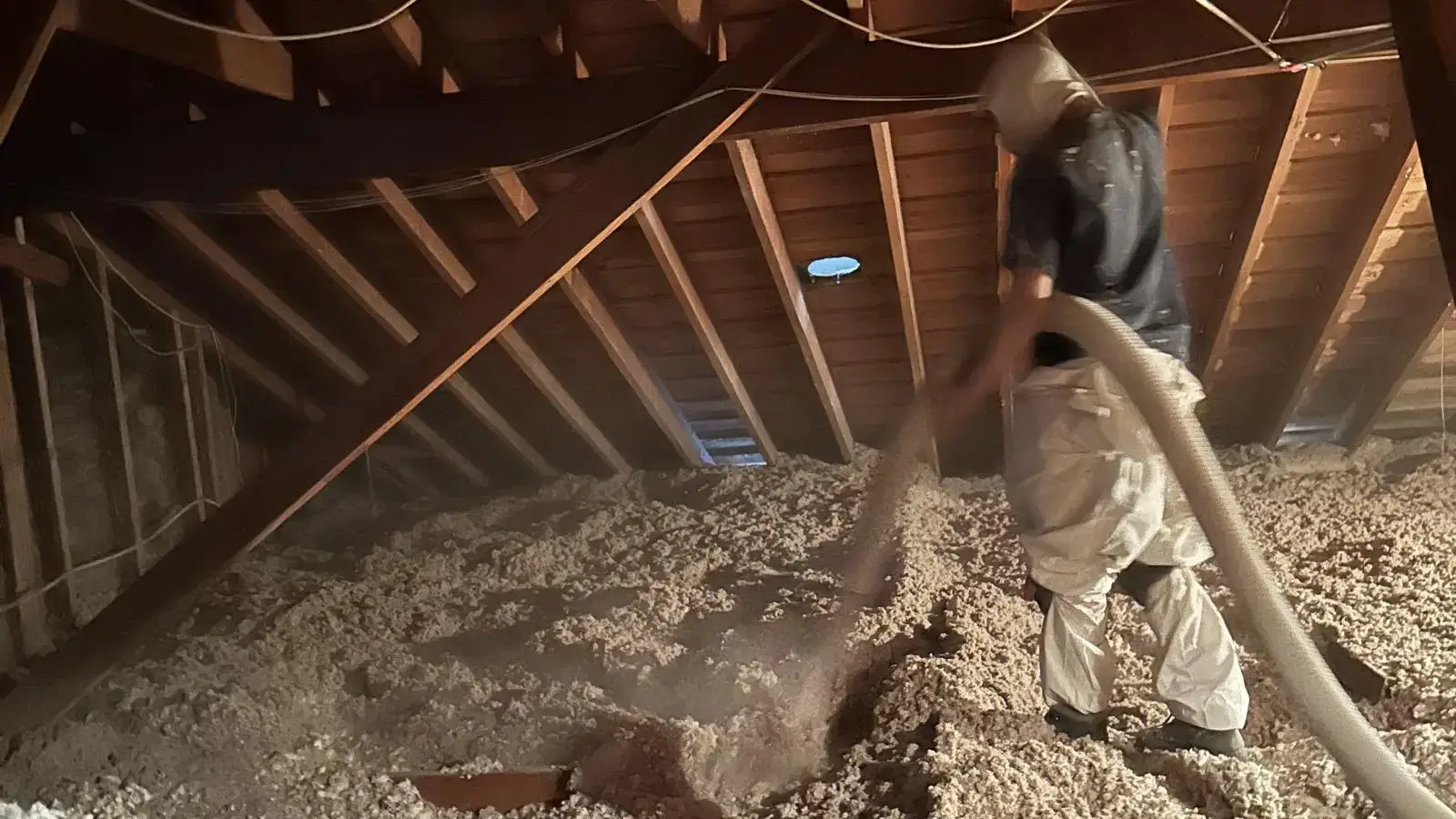
Most homes built in San Francisco and the Bay Area before the 1990s have 3–6 inches of settled, dusty insulation — or none at all — in the attic. Blown-in insulation fixes that in a single morning. Our crew air-seals the attic floor, installs baffles and dams, then blows loose-fill cellulose or fiberglass to a measured depth that meets or exceeds Title 24's R-38 prescriptive requirement (R-49 in some climate zones), filling around joists, wiring and framing irregularities that batts can never cover.
We also dense-pack blown-in insulation into closed wall cavities through small holes in the siding or drywall, bringing uninsulated Victorian, Edwardian and post-war walls up to code without tearing them open.
Cellulose vs. Fiberglass Loose-Fill
Swipe sideways to see all columns →
| Blown-in cellulose | Blown-in fiberglass | |
|---|---|---|
| R-value per inch | R-3.2 – R-3.8 | R-2.2 – R-2.7 |
| Material | Recycled paper, borate-treated | Spun glass, formaldehyde-free |
| Fire / pest | Borate treatment resists fire, mold and insects | Non-combustible |
| Air-flow resistance | Better — denser, slows convection | Lower |
| Settling | 10–20% over time (we over-blow to compensate) | Minimal |
| Installed cost (attic) | $1.20 – $2.50 / sq ft | $1.50 – $3.50 / sq ft |
| Best for | Attic floors, dense-pack walls, sound | Attics with moisture concerns, top-ups over fiberglass |
Where Blown-In Insulation Works Best
- Attic floors — vented attics in ranches, bungalows and Victorians where ducts and equipment are not in the attic
- Existing closed walls — dense-packed through small access holes, no demolition
- Knee walls, sloped ceilings and cathedral cavities — spaces too tight for batts
- Older and historic buildings — minimal disturbance to finishes
- Sound control — cellulose between floors of condos and duplexes noticeably reduces impact and voice noise
- Commercial flat attics — fast, economical coverage of large areas
Attic Prep That Makes the Insulation Work
Insulation only performs when air leakage is handled first. Before we blow, we seal top plates, can lights, plumbing and electrical penetrations and the attic hatch; install rafter baffles to keep soffit vents open; build dams around the hatch and HVAC platforms; and, where needed, remove rodent-contaminated or deteriorated old insulation. This prep is what turns a $2 per square foot job into 20–40% lower heating bills.
Cost and Payback
A typical Bay Area attic runs $1,800–$4,500 for blown-in insulation depending on size, depth and prep, and most homeowners see payback in 5–9 years through lower utility bills — faster if the attic was empty. We provide an exact written quote after a free inspection, and we take $250 off orders over $2,500.
Free on-site inspection and written quote for blow-in insulation anywhere within 100 miles of San Francisco.
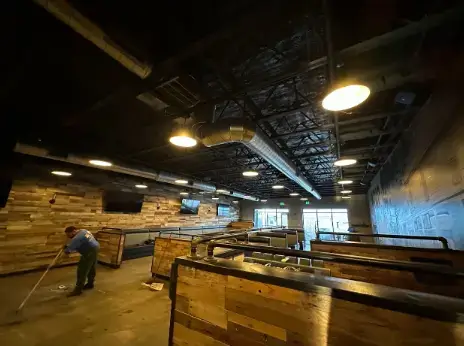
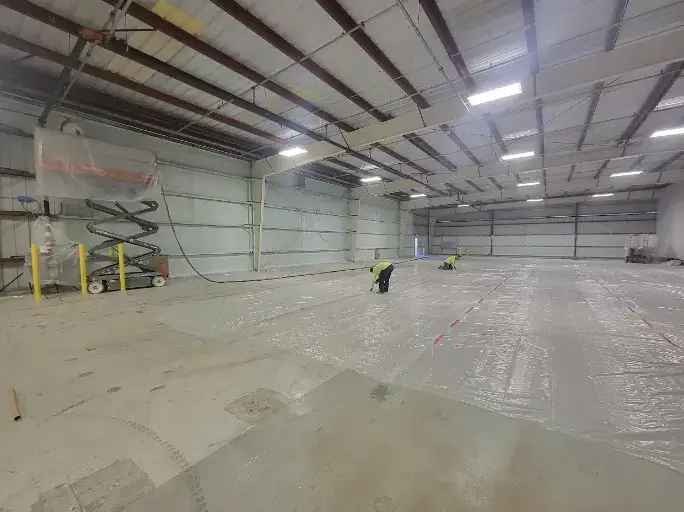
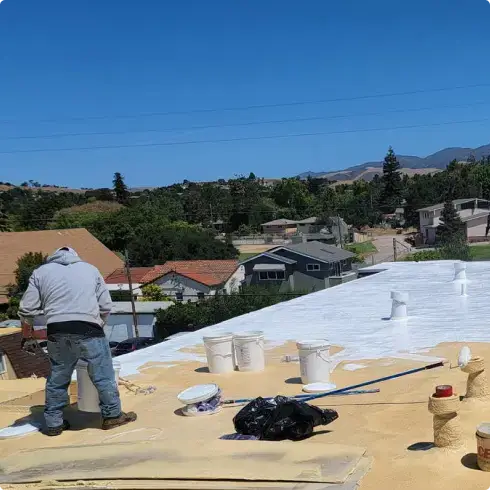
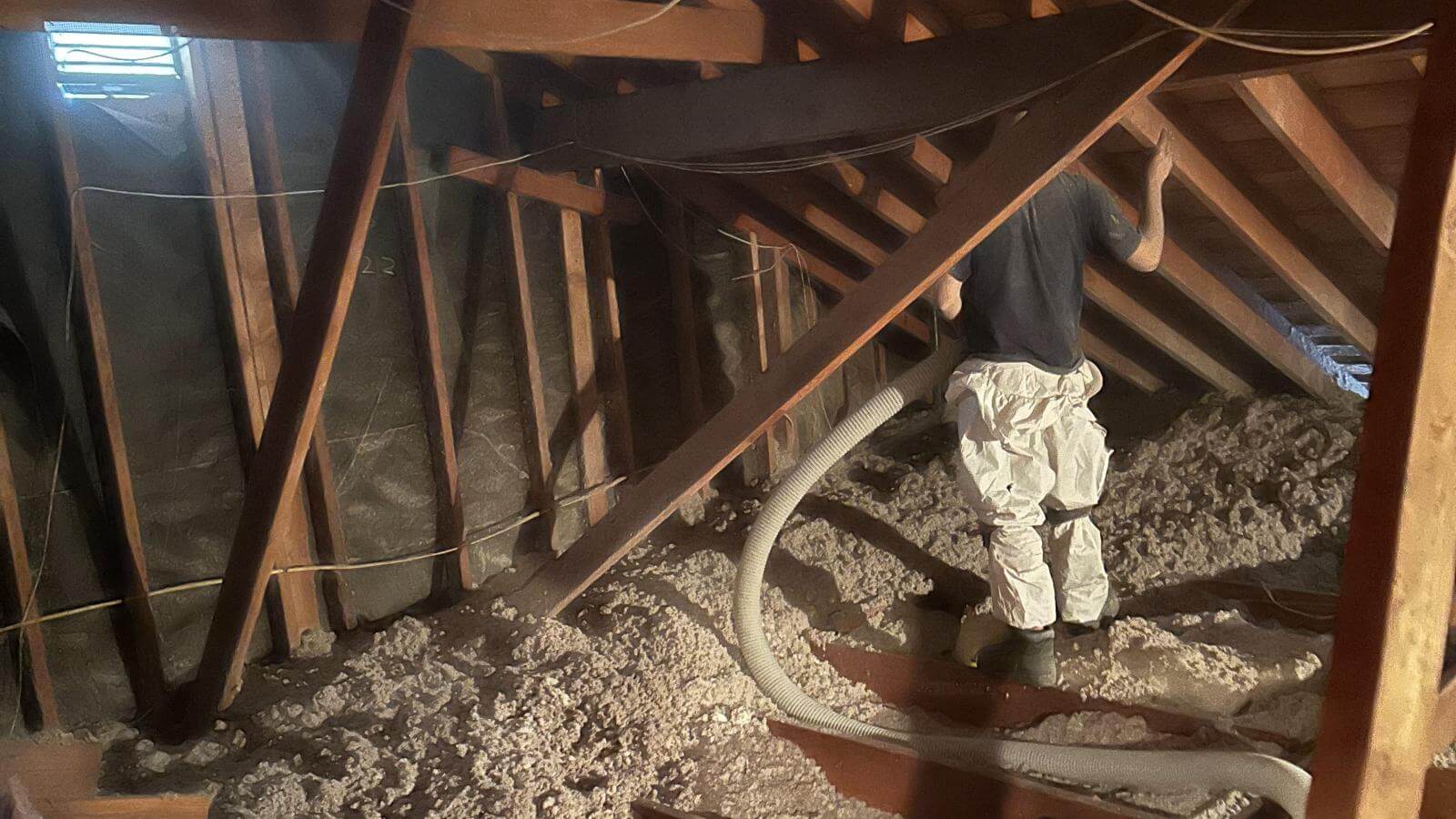
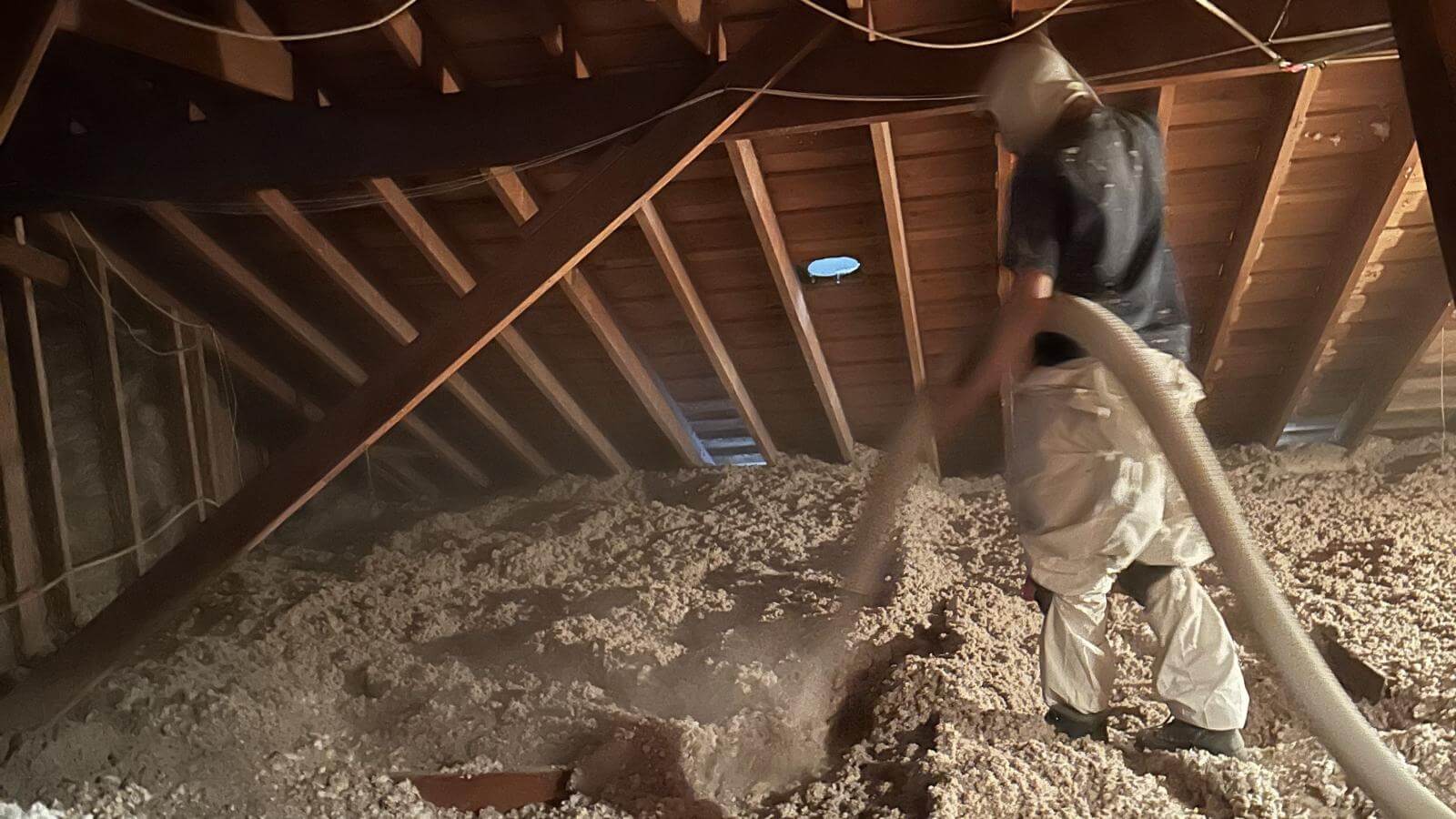
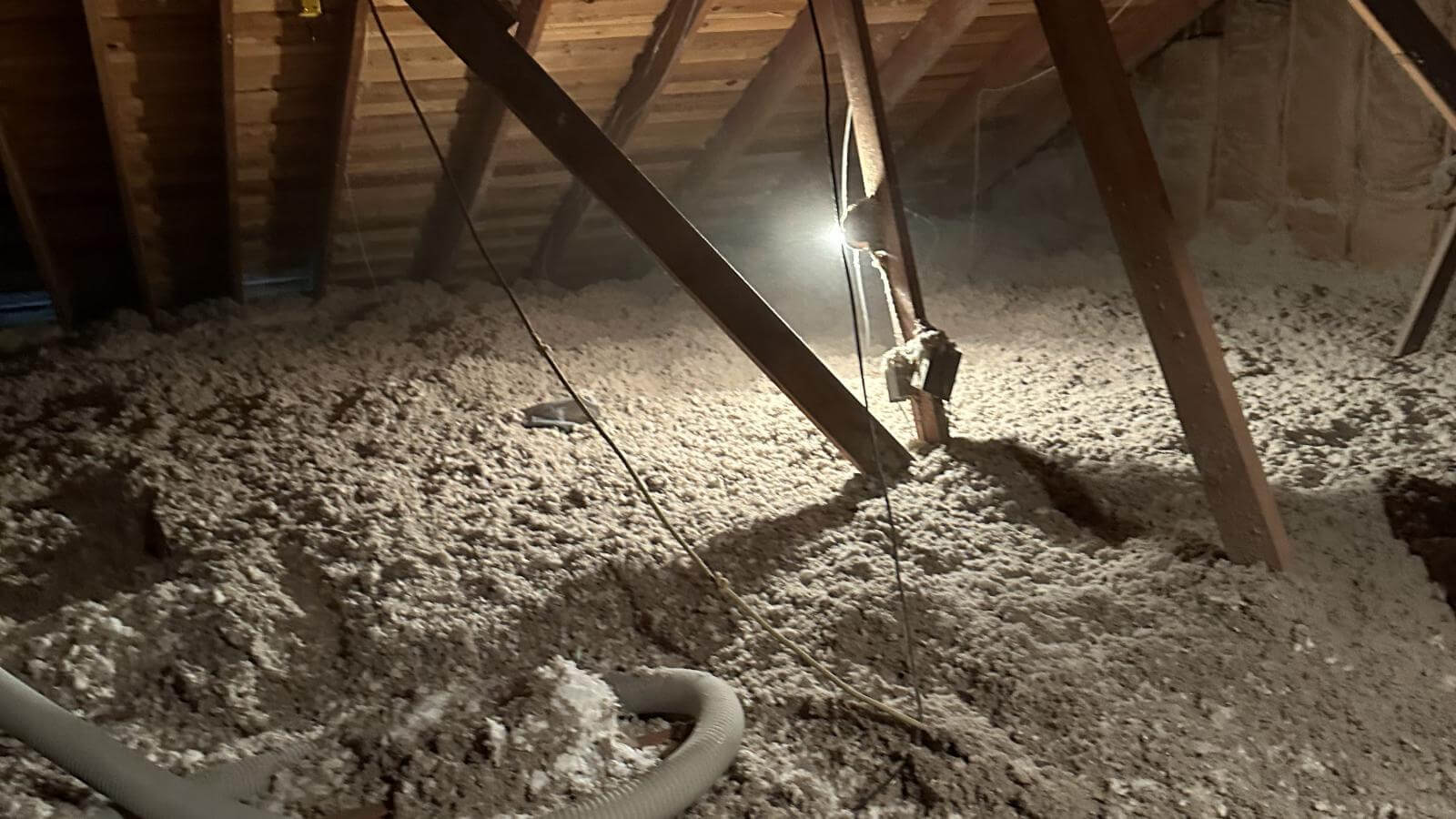
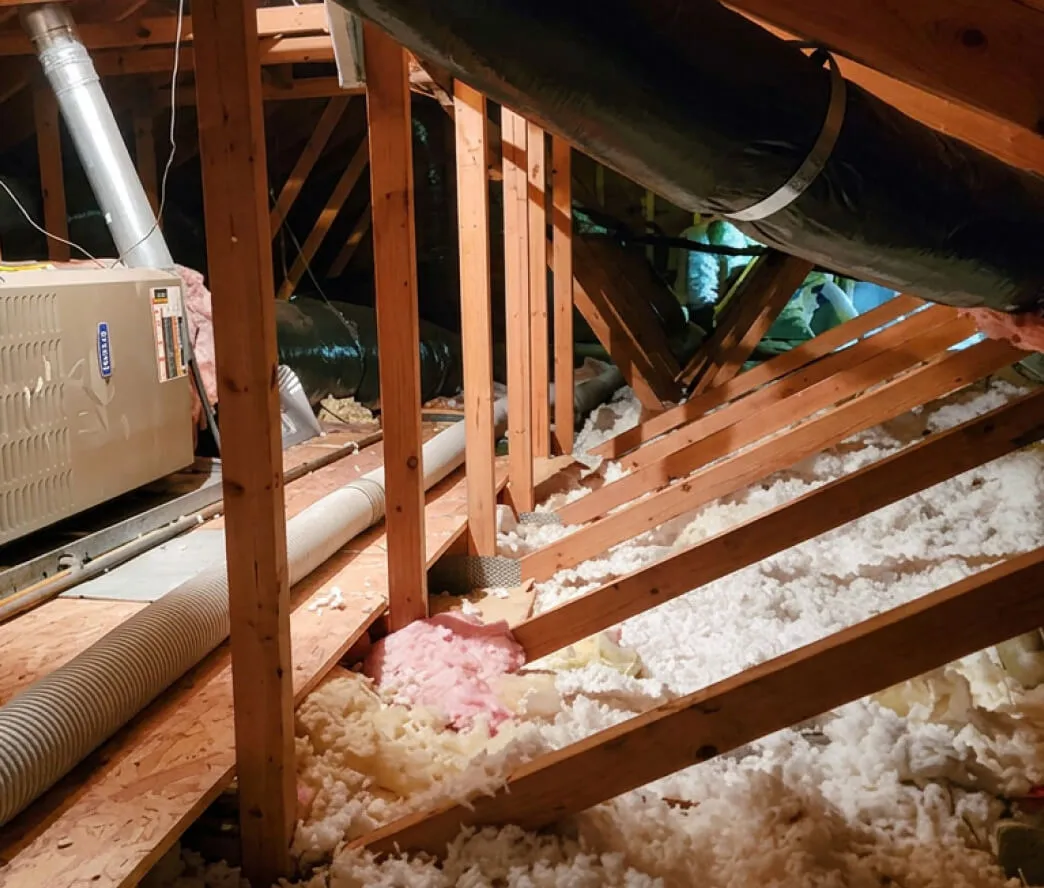
Recent Blow-in Insulation Projects
Where We Offer Blow-in Insulation
USA Spray Me provides blow-in insulation throughout San Francisco, the Peninsula, South Bay, East Bay, North Bay and the Central Valley — every community within 100 miles of our Treasure Island headquarters, including: