- Proper cellar insulation keeps temperatures stable and prevents premature aging.
- California's climate affects the choice: coastal areas need vapor barriers, dry regions need humidity retention.
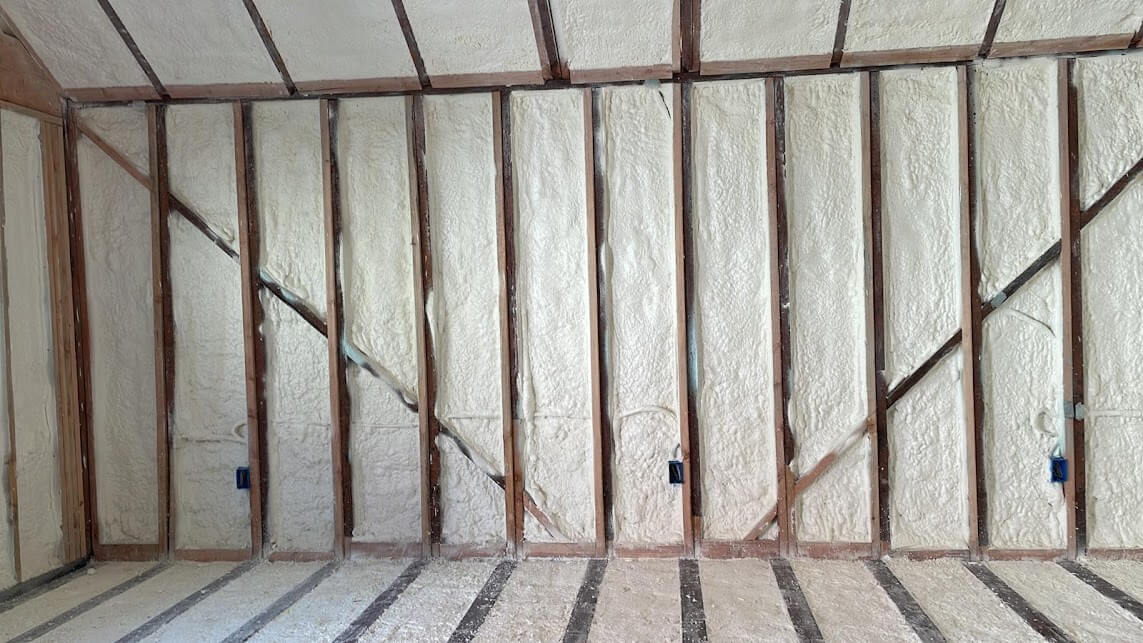
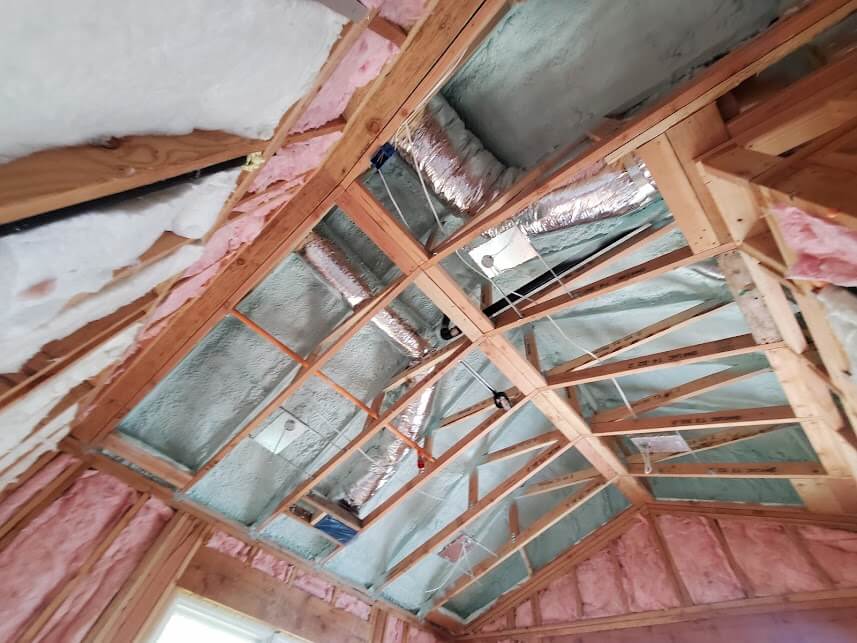
- Spray foam offers better thermal resistance, seamless coverage and moisture control at higher upfront cost.
- Fiberglass is budget-friendly for smaller cellars but requires precise installation.
- 15+ years of experience claimed.
The Importance of Wine Cellar Insulation
Consistent temperature protects wine quality; fluctuations cause premature aging or off-flavors. Insulation manages humidity to keep corks from drying and prevent mold, and reduces cooling/heating needs.
Climate's Impact on Wine Storage
Coastal California is cooler; inland regions face extreme heat. High-humidity areas need strong vapor barrier properties; dry regions need to maintain adequate humidity.
Advantages and Disadvantages of Spray Foam Insulation
Pros: high thermal resistance; vapor barrier controlling humidity (coastal California); fills gaps seamlessly; quick application. Cons: higher upfront cost (concern for larger cellars/tight budgets); requires professional installation.
- Pro: High thermal resistance against temperature swings
- Pro: Acts as vapor barrier, controls humidity (useful in coastal California)
- Pro: Fills gaps and cracks seamlessly, no weak spots
- Pro: Quick application reduces downtime
- Con: Higher upfront cost than fiberglass
- Con: Requires professional installation
Advantages and Disadvantages of Fiberglass Insulation
Pros: cost-effective, widely available, easy and DIY-friendly, suits smaller cellars, saves labor cost. Cons: lacks strong vapor barrier, prone to moisture infiltration in humid climates; gaps from poor installation cause temperature fluctuations, higher costs and mold risk; requires careful installation.
- Pro: Cost-effective and widely available
- Pro: Easy to install, lightweight, DIY-friendly
- Pro: Suitable for smaller cellars or beginners
- Pro: DIY saves on labor
- Con: Lacks strong vapor barrier; moisture infiltration in humid climates
- Con: Installation gaps reduce effectiveness and raise costs
- Con: Gaps raise mold risk
- Con: Requires careful installation
Licensed, bonded & insured — free on-site inspections within 100 miles of San Francisco. Save $250 on orders over $2,500.
Comparison and Contrast
Spray foam is more energy efficient; fiberglass may need vapor barriers. Spray foam has higher upfront costs but lower energy bills; fiberglass lower initial cost but potentially higher energy expense. Spray foam needs little maintenance; fiberglass needs regular inspections.
| Category | Spray Foam Insulation | Fiberglass Insulation |
|---|---|---|
| Energy Efficiency | Superior thermal resistance; seamless barrier reduces energy consumption | May require vapor barriers; less efficient than spray foam |
| Long-Term Cost | Higher upfront cost; lower energy bills over time | Lower initial cost; potential higher energy expenses due to gaps or moisture |
| Maintenance Needs | Low maintenance; moisture resistant and durable | Requires regular inspections; gaps and moisture may increase maintenance |
Optimizing Your Wine Cellar with the Right Insulation
Choice depends on needs, budget and climate. Both have trade-offs; the goal is preserving wine for optimal aging. Spray foam prioritizes performance, fiberglass affordability.
Making an Informed Insulation Choice
Spray foam suits those needing maximum protection (thermal resistance, moisture control). Fiberglass is more affordable for smaller cellars and DIY. Align with energy efficiency, budget and maintenance goals.
Get an Instant Quote From a Licensed California Insulation Contractor
USA Spray Me (CSLB Lic# 1058008) installs spray foam, blow-in, fiberglass and soundproofing insulation, foam roofing and protective coatings throughout the San Francisco Bay Area and within 100 miles of the city, including San Francisco. Call (855) 566-5340 or request a free inspection below — save $250 on orders over $2,500.