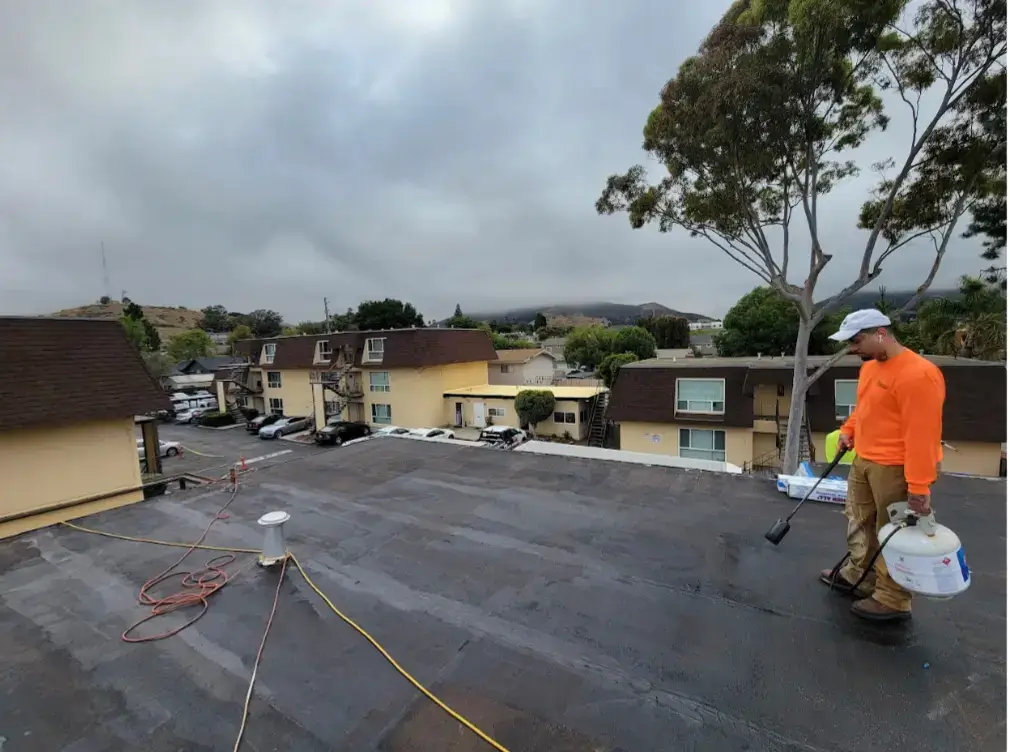
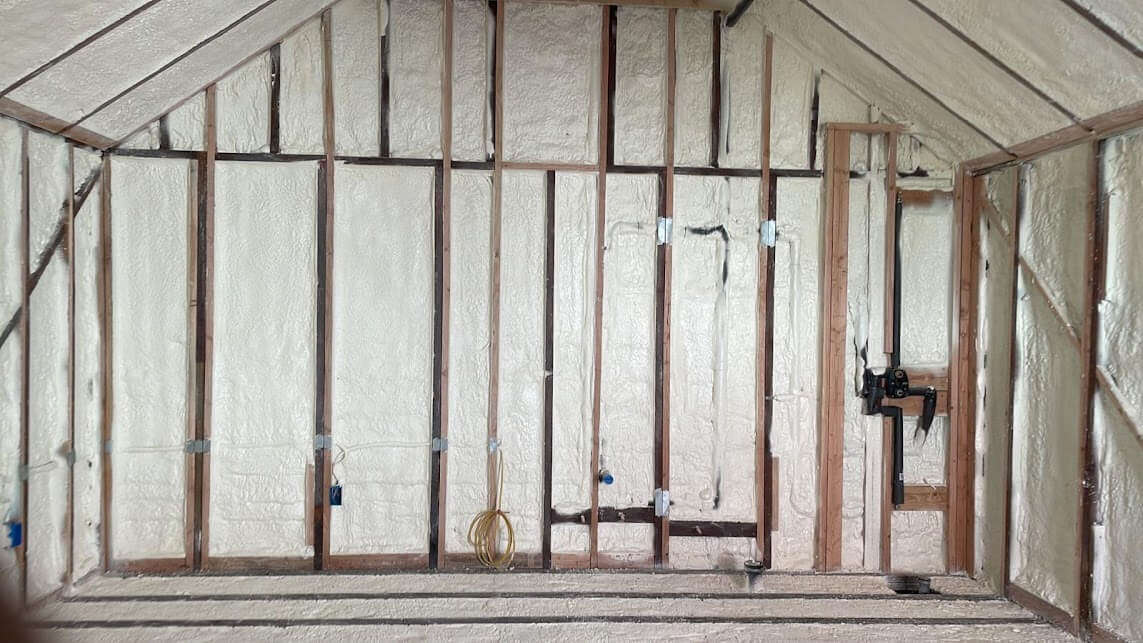
- Stable temperature and humidity protect wine and prevent spoilage.
- Spray foam offers strong thermal resistance, moisture control and an airtight seal.
- Rigid foam is cheaper but needs more material and careful installation.
- Choice depends on budget, cellar size and climate;
- spray foam gives better long-term value.
- 15+ years of experience claimed.
Why Insulation Matters
Insulation keeps the temperature and humidity balance wine needs. Without it, outside conditions cause swings that affect quality, and poor humidity can dry corks and let air into bottles.
Temperature Consistency
Target range is 45 F to 65 F. Temperature swings make wine expand and contract, risking premature aging or spoilage.
Humidity Control
Target range is 60% to 70%. Insulation limits moisture entering or leaving. High humidity can grow mold; low humidity dries corks.
Energy Efficiency
A well-insulated cellar needs less heating and cooling, lowering energy bills over time.
Types of Insulation
Spray and rigid foam are both effective with distinct benefits.
Spray Foam Insulation: Features
Airtight seal; R-value 6 to 7 per inch; moisture barrier against mold and mildew; conforms to irregular shapes for custom cellars; expands to fill gaps.
- Airtight seal
- R-6 to R-7 per inch
- Moisture barrier against mold/mildew
- Conforms to irregular shapes
- Expands on application to fill gaps
Rigid Foam Insulation: Features
Lightweight, easy to install, cost-effective. Sold as sheets or panels cut to size. Provides thermal resistance and moisture control but seals less effectively than spray foam and may need extra sealing.
Licensed, bonded & insured — free on-site inspections within 100 miles of San Francisco. Save $250 on orders over $2,500.
Spray Foam Insulation Pros and Cons
Pros: airtight seal; R-6 to R-7 per inch with less material; moisture barrier reducing mold/mildew. Cons: higher upfront cost; trained professional installation; chemical content may affect air quality, though eco-friendly alternatives are emerging.
- Pro: Airtight seal
- Pro: R-6 to R-7 per inch with less material
- Pro: Moisture barrier
- Con: Higher upfront cost
- Con: Requires trained professional installation
- Con: Chemical content may affect air quality (eco-friendly alternatives emerging)
Rigid Foam Insulation Pros and Cons
Pros: more affordable; adequate thermal and moisture management; lightweight, DIY-suitable; durable and wear-resistant. Cons: panels may leave gaps letting in air or moisture; lower R-value means more material (hard in small spaces); accurate cutting and fitting essential.
- Pro: More affordable than spray foam
- Pro: Adequate thermal and moisture management
- Pro: Lightweight, DIY-suitable
- Pro: Durable and wear-resistant
- Con: Panels may leave gaps
- Con: Lower R-value requires more material
- Con: Accurate cutting and fitting essential
Cost Analysis of Each Insulation Type
Spray foam costs more upfront; rigid foam is the entry-level option.
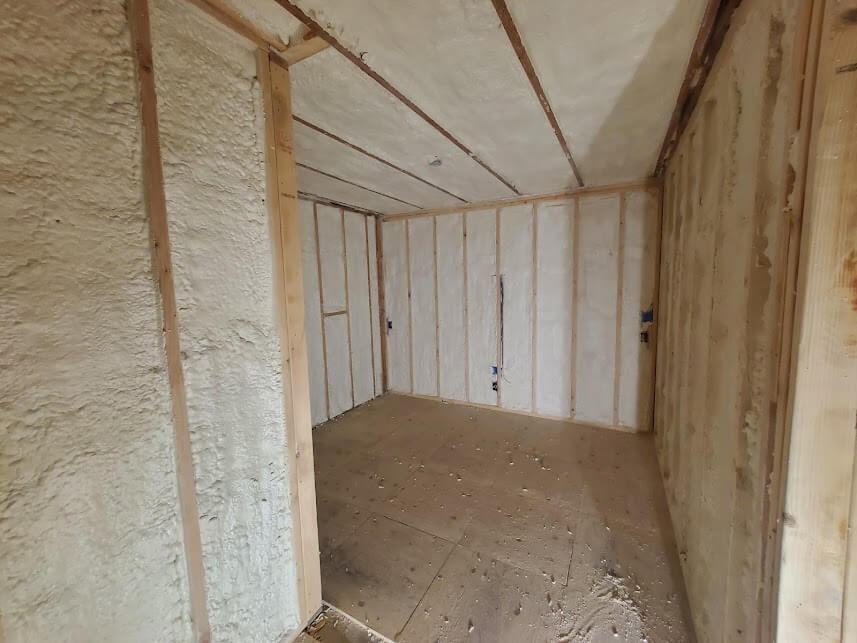
Initial Costs Comparison
Spray foam $2.00 to $4.50 per square foot depending on thickness, material type and installation requirements. Rigid foam panels $1.00 to $2.25 per square foot.
| Insulation | Cost per sq ft |
|---|---|
| Spray Foam | $2.00 - $4.50 |
| Rigid Foam Panels | $1.00 - $2.25 |
Long-term Value
Spray foam is the better long-term investment through energy savings, durability, minimal maintenance and fewer replacements. Rigid foam's lower R-value may raise energy costs over time but remains viable for tighter budgets, especially in mild climates.
Choosing Between Spray Foam and Rigid Foam Insulation
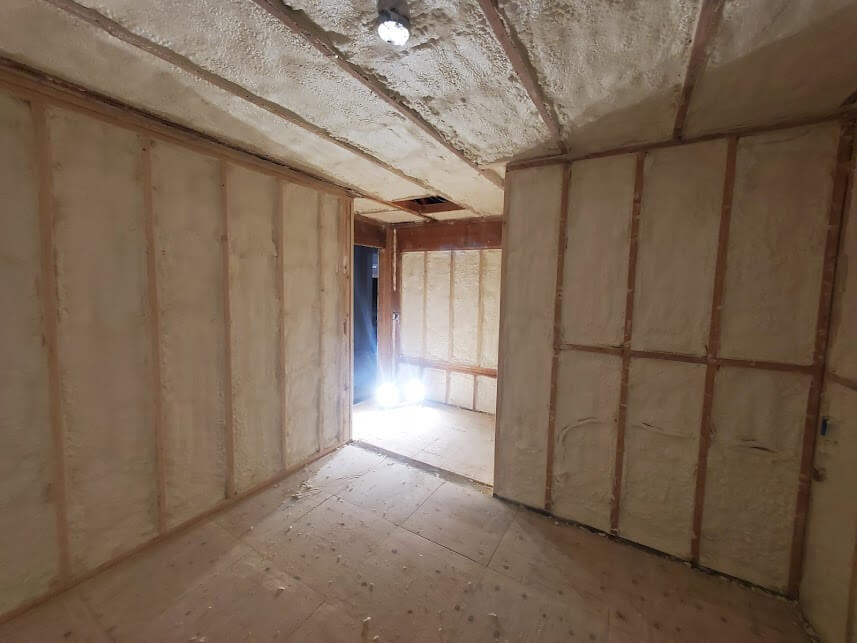
Spray foam offers superior thermal resistance and airtight seal; savings often offset higher cost. Rigid foam suits smaller cellars or mild climates with proper installation. Decision depends on budget, cellar size and desired longevity; professional consultation recommended.
Get an Instant Quote From a Licensed California Insulation Contractor
USA Spray Me (CSLB Lic# 1058008) installs spray foam, blow-in, fiberglass and soundproofing insulation, foam roofing and protective coatings throughout the San Francisco Bay Area and within 100 miles of the city, including San Francisco. Call (855) 566-5340 or request a free inspection below — save $250 on orders over $2,500.