
- Pros: energy efficiency, comfort
- Cons: higher cost, installation complexity
- Cost drivers: home size, foam type, labor
Spray Foam Insulation
Introductory section.
What is Spray Foam Insulation?
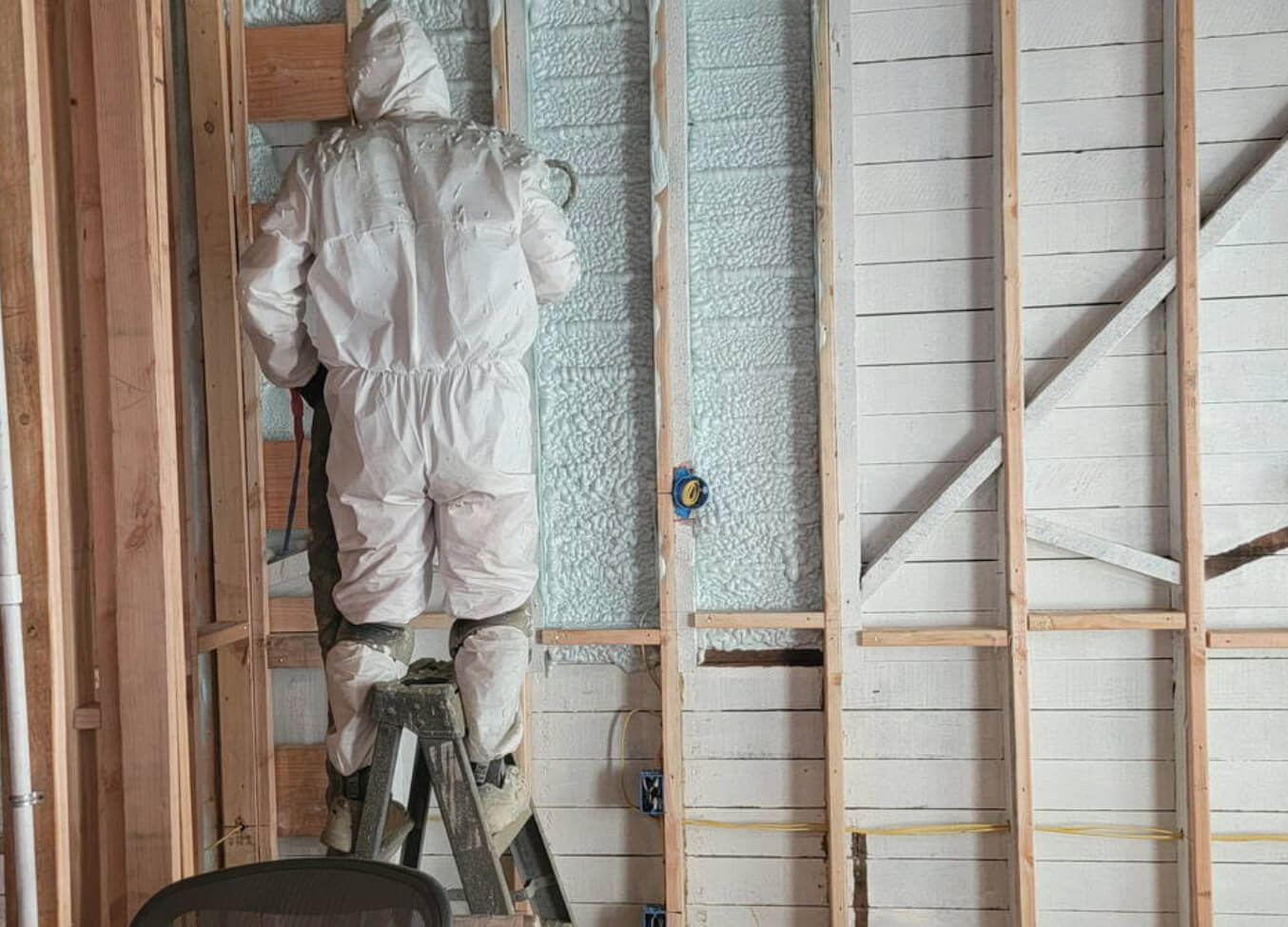
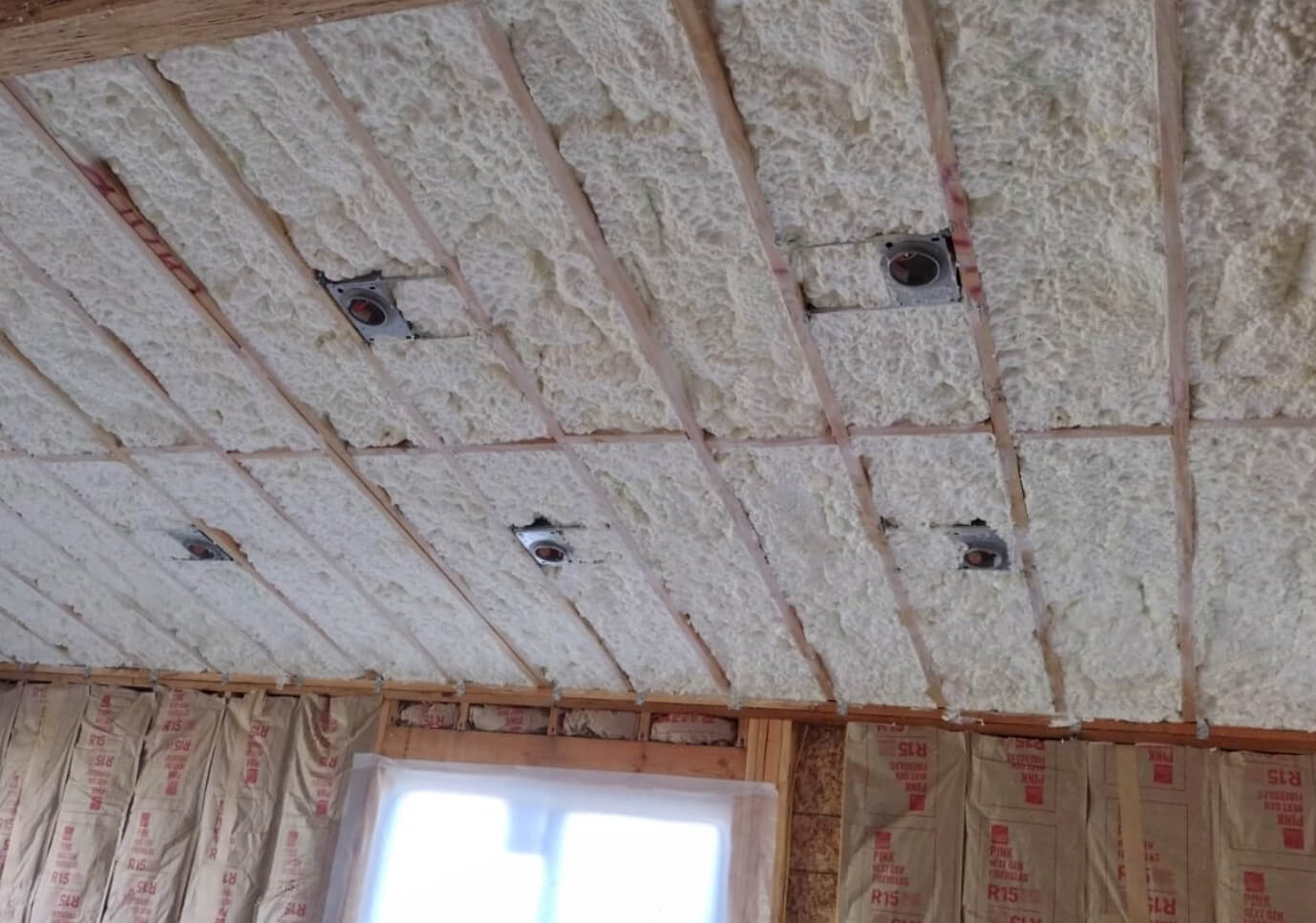
Two chemicals react and expand into foam, filling cavities, cracks and gaps. Higher R-value per inch than fiberglass or rigid board; acts as a moisture barrier that helps prevent mold and mildew. USA Spray Me is San Francisco-based and serves Northern California with polyurethane foam.
Types of Spray Foam Insulation
Open-cell costs less, fills tight spots, is less dense and more flexible, but has a lower R-value and is not water-resistant. Closed-cell is denser, has a higher R-value per inch, resists water and adds structural strength, but costs more in materials and installation.
- Open-cell: cheaper, flexible, lower R-value, not water-resistant
- Closed-cell: denser, higher R-value, water-resistant, adds structural strength, costlier
Applications of Spray Foam Insulation
Used in attics, walls, crawl spaces, basements and ceilings. In attics and crawl spaces it reduces air leakage; in walls and ceilings it adds structural integrity plus thermal and sound insulation.
- Attics
- Walls
- Crawl spaces
- Basements
- Ceilings
Spray Foam Costs
Introductory section.
Factors Affecting Cost
Cost rises with home size (1,500 sq ft vs 3,000 sq ft example) and structural complexity. Open-cell is cheaper with less thermal resistance; closed-cell costs more with better insulation and moisture control. Labor varies with job complexity and contractor rates; specialized equipment is required.
- Home size
- Structural complexity
- Foam type
- Labor and installation fees
Licensed, bonded & insured — free on-site inspections within 100 miles of San Francisco. Save $250 on orders over $2,500.
Insulation Material Cost Comparison
Estimates at time of writing, not contractor quotes.
| Insulation Type | Cost per Sq Ft | R-Value per Inch |
|---|---|---|
| Open-Cell Spray Foam | $2 - $3 | 3.5 - 4.0 |
| Closed-Cell Spray Foam | $4 - $9 | 6.5 - 7.0 |
| Blown-In Fiberglass | $1.50 - $4 | 2.2 - 2.7 |
| Rigid Foam Board | $3 - $10 | 5.0 - 8.0 |
Spray Foam Pros and Cons
Introductory section.
Pros
Airtight seal, higher R-value per inch, improved efficiency. Blocks dust, pollen and allergens (good for allergies/respiratory issues), controls moisture, reduces drafts, keeps indoor temperatures steady, and provides soundproofing useful in urban areas and multi-level homes.
- Airtight seal and high R-value
- Blocks allergens
- Moisture control
- Reduced drafts, steady temperatures
- Soundproofing
Cons
Higher initial cost (justified by long-term savings and durability). Requires specialized skills so professional installation adds cost. Process can be more time-consuming and disruptive than other methods.
- Higher initial cost
- Professional installation required
- More time-consuming and disruptive
Get an Instant Quote From a Licensed California Insulation Contractor
USA Spray Me (CSLB Lic# 1058008) installs spray foam, blow-in, fiberglass and soundproofing insulation, foam roofing and protective coatings throughout the San Francisco Bay Area and within 100 miles of the city, including Fremont. Call (855) 566-5340 or request a free inspection below — save $250 on orders over $2,500.