
- Oakland codes follow California Title 24
- New homes must meet minimum R-value standards
- Approved: fiberglass batts, spray foam, blown-in cellulose, rigid foam panels
- Professional installation recommended
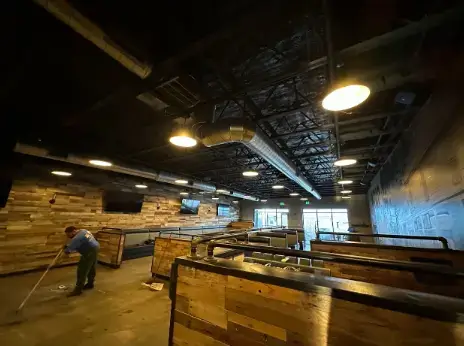
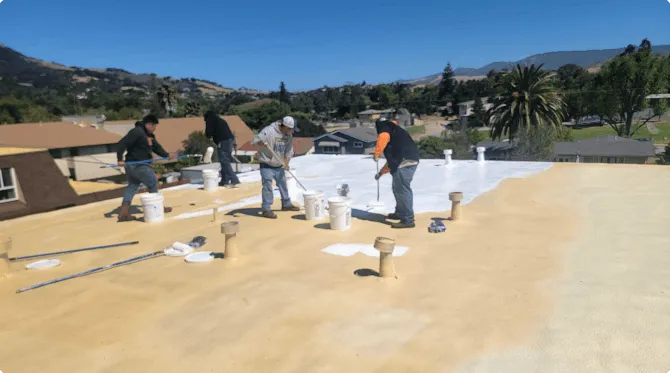
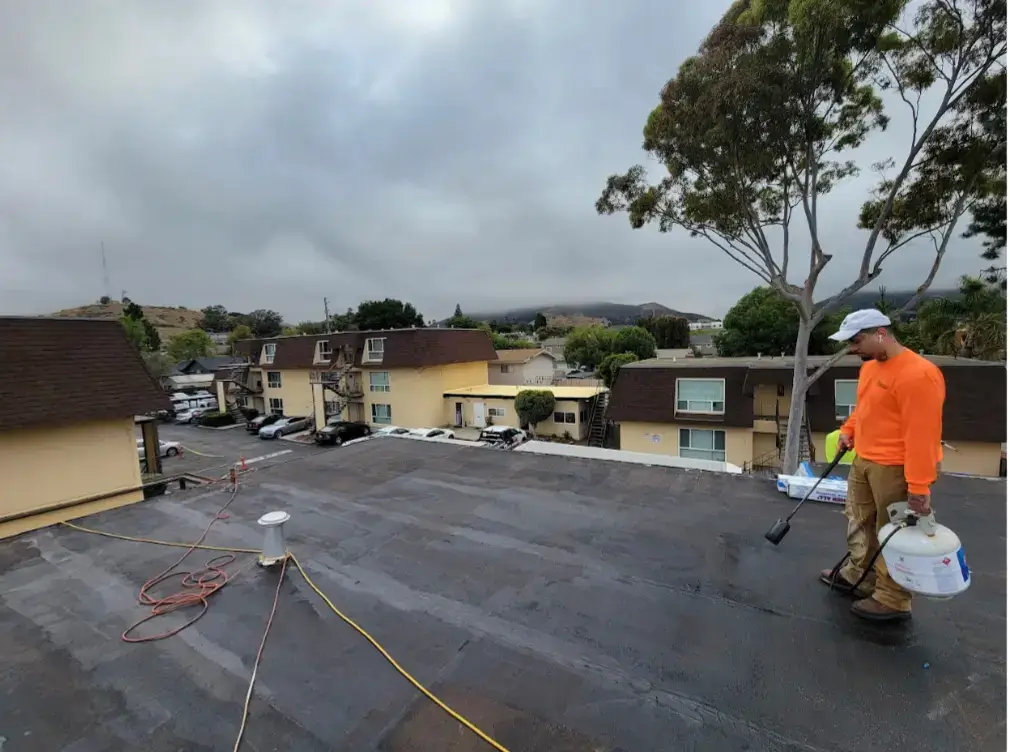
- USA Spray Me offers code-compliant insulation services
Oakland Building Codes
Local codes aim to make homes safe, energy-efficient and comfortable, and are largely based on California's Title 24.
Understanding Title 24
Title 24 sets minimum energy-efficient design and construction requirements to reduce energy use and greenhouse gas emissions. Covers insulation, windows, lighting and HVAC.
Impact on Home Construction
Builders must use approved insulation and follow installation guidelines. Compliance lowers utility bills, improves comfort and reduces carbon footprint.
Recent Updates
Title 24 updates call for higher insulation R-values, improving thermal performance and lowering energy costs.
Oakland Insulation Requirements
Minimum R-values and approved materials for new homes.
Minimum R-Value Standards
R-value measures thermal resistance; higher means better. Minimums for new homes: attics R-38, walls R-15, floors R-19.
| Area | Minimum R-Value |
|---|---|
| Attics | R-38 |
| Walls | R-15 |
| Floors | R-19 |
Approved Insulation Materials
Fiberglass batts, spray foam, blown-in cellulose and rigid foam panels.
- Fiberglass batts
- Spray foam
- Blown-in cellulose
- Rigid foam panels
Top Oakland Insulation Options
Describes the four approved materials.
Fiberglass Batts
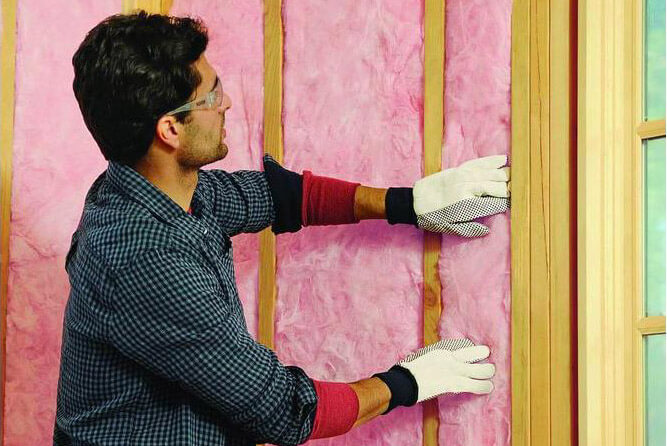
Pre-cut glass-fiber panels fit between wall studs and ceiling joists. Common, affordable, easy to install, thermally effective.
Licensed, bonded & insured — free on-site inspections within 100 miles of San Francisco. Save $250 on orders over $2,500.
Spray Foam Insulation
Liquid foam expands and hardens into solid insulation. High thermal resistance and air sealing; suits hard-to-reach spaces; blocks drafts, moisture and noise.
Blown-In Cellulose
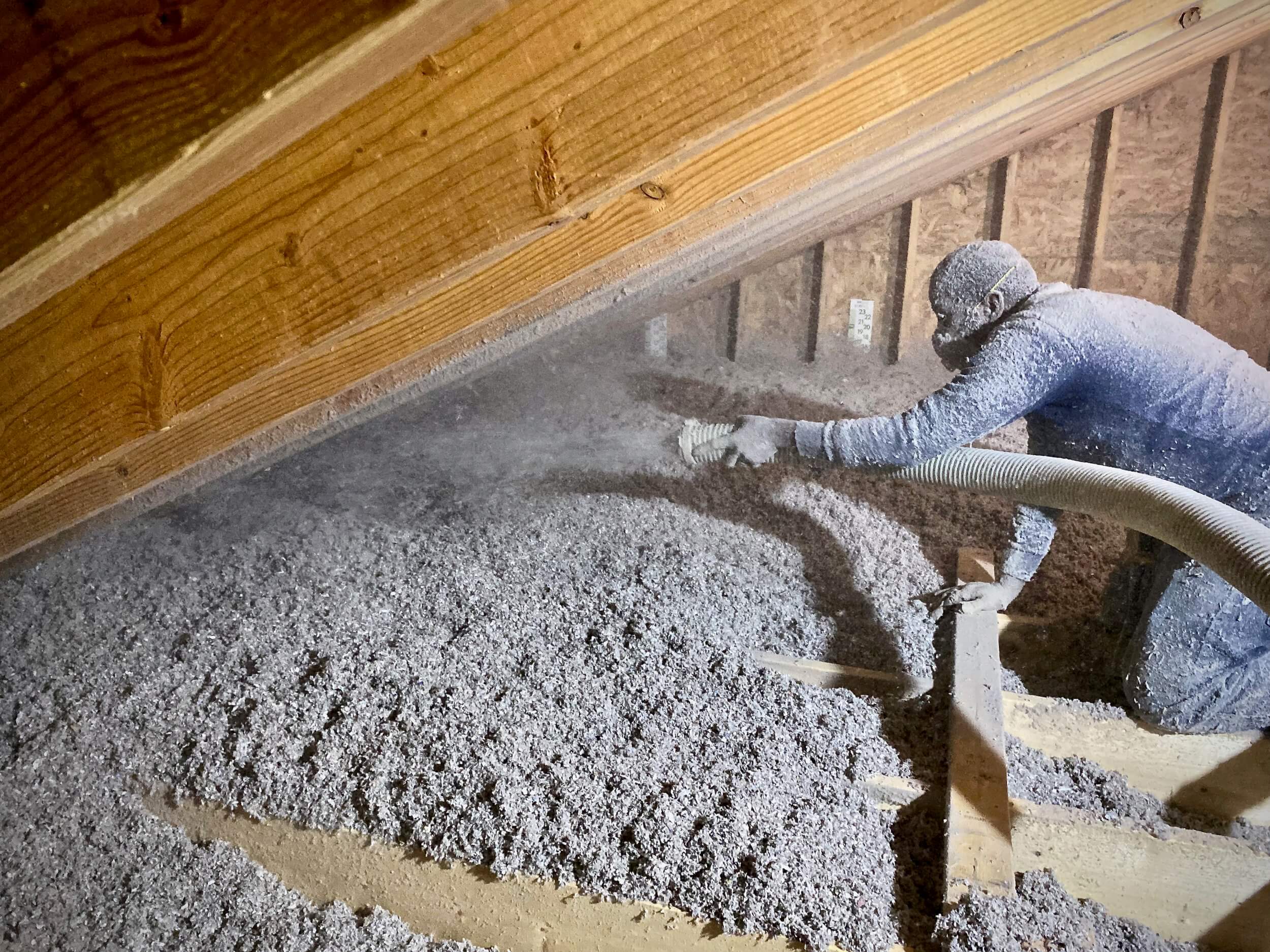
Made from recycled paper and blown into walls and attics for tight coverage. Eco-friendly, resistant to pests and mold.
Rigid Foam Panels
Solid foam sheets used on walls, roofs and foundations. High R-values, moisture resistant, can be cut to size.
Pros & Cons of Top Oakland Insulation Options
Pros and cons of each of the four materials.
| Material | Pros | Cons |
|---|---|---|
| Fiberglass Batts | Affordable; easy to install; widely available | Itchy/skin-irritating; weaker air sealing; loses effectiveness if poorly installed |
| Spray Foam | Excellent thermal resistance; strong air sealing; works in hard-to-reach areas; improves indoor air quality | More expensive; requires professional installation; messy to apply |
| Blown-In Cellulose | Eco-friendly; good thermal performance; pest- and mold-resistant; easy to install in existing structures | Settles over time; may need professional installation; messy to apply |
| Rigid Foam | High R-values; moisture-resistant; easy to install; cuttable to size | Costlier than fiberglass batts; hard to fit in irregular spaces; less eco-friendly than some options |
Fiberglass Batts
Pros: affordable, easy to install, widely available. Cons: itchy, weaker air sealing, loses effectiveness if poorly installed.
Spray Foam
Pros: excellent thermal resistance, strong air sealing, hard-to-reach areas, better indoor air quality. Cons: more expensive, professional installation, messy.
Blown-In Cellulose
Pros: eco-friendly, good thermal performance, pest/mold resistant, easy retrofit. Cons: settles over time, may need pros, messy.
Rigid Foam
Pros: high R-values, moisture-resistant, easy to install, cuttable. Cons: costlier than fiberglass batts, hard in irregular spaces, less eco-friendly.
Get an Instant Quote From a Licensed California Insulation Contractor
USA Spray Me (CSLB Lic# 1058008) installs spray foam, blow-in, fiberglass and soundproofing insulation, foam roofing and protective coatings throughout the San Francisco Bay Area and within 100 miles of the city, including Oakland. Call (855) 566-5340 or request a free inspection below — save $250 on orders over $2,500.