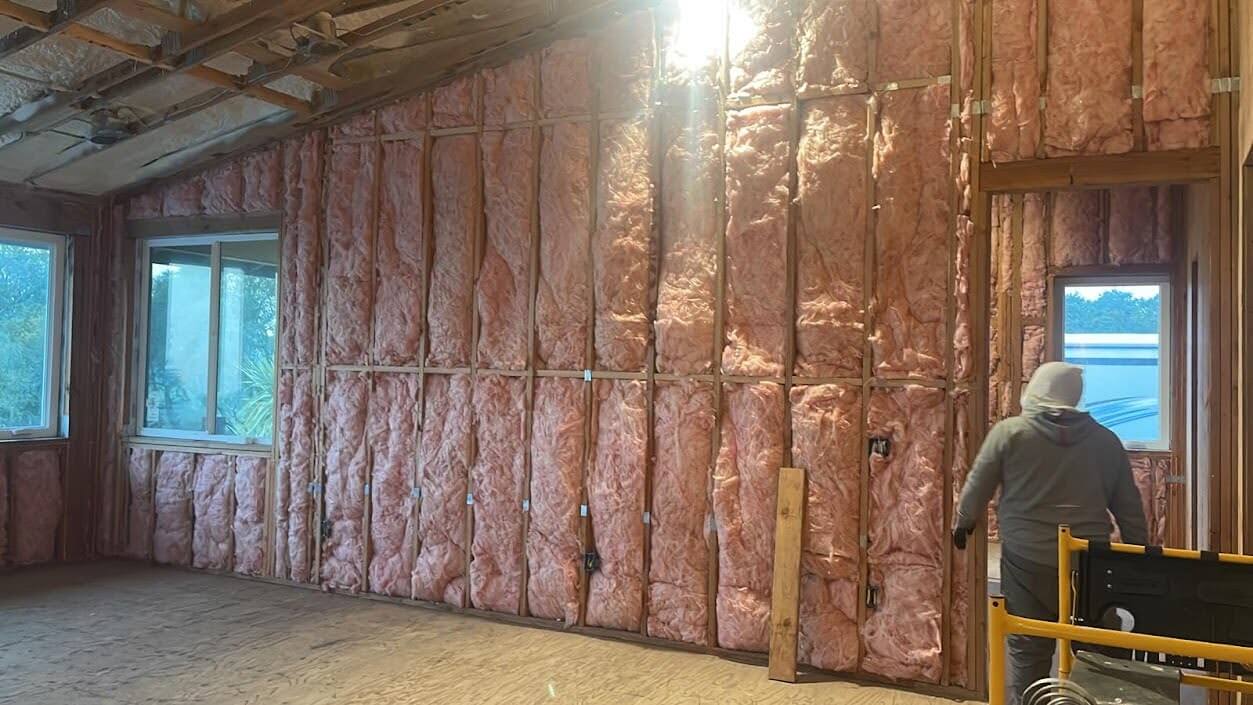
- San Jose homes must follow Title 24 of the California Building Code;
- required R-values vary by climate zone for ceilings, walls and floors.
- Spray foam, fiberglass and cellulose are leading materials.
- Good insulation significantly lowers energy costs and improves comfort.
TL;DR
Ceilings need R-38 and exterior walls at least R-13. Spray foam offers the highest R-value and an airtight seal. Fiberglass and cellulose cost less but are less airtight and lose effectiveness when wet. Correct installation and certified materials are required to pass inspections.
Building Code Requirements for New Home Insulation
Title 24 sets energy efficiency standards to reduce energy use and greenhouse gas emissions. Examples given: R-38 for ceilings and R-13 for walls.
| Area | Example Minimum R-Value |
|---|---|
| Ceilings | R-38 |
| Exterior Walls | R-13 |
Best Insulation Materials for New Home Construction in San Jose
Spray foam: liquid that expands to fill small gaps, suits custom homes, high R-value and strong air barrier, costs more. Fiberglass: batts or loose-fill, inexpensive, easy to install, loses effectiveness when wet. Cellulose: recycled paper treated with fire retardants, eco-friendly, affected by moisture. Reflective/radiant barriers: reflect heat, often in attics, low R-value, suit hot climates.
Other Mandatory Requirements
Vapor barrier installation to prevent moisture buildup; fire-retardant materials; sound transmission class (STC) ratings for noise reduction. All insulation must be certified to the California Quality Standards for Insulation Materials by the California Department of Consumer Affairs. Describes USA Spray Me as San Francisco-based serving Northern California, specializing in polyurethane foam.
- Vapor barrier installation
- Fire-retardant materials
- STC ratings for noise reduction
- Certification to California Quality Standards for Insulation Materials (CA Dept. of Consumer Affairs)
Top Insulation Options for New Homes in San Jose
Introduces the four main material options.
Spray Foam Insulation
Expands to fill gaps for an airtight seal; recommended for irregular shapes. High R-value lowers energy bills and adds structural strength. Costs more and requires professional installation, but long-term benefits often outweigh the cost.
Fiberglass Insulation
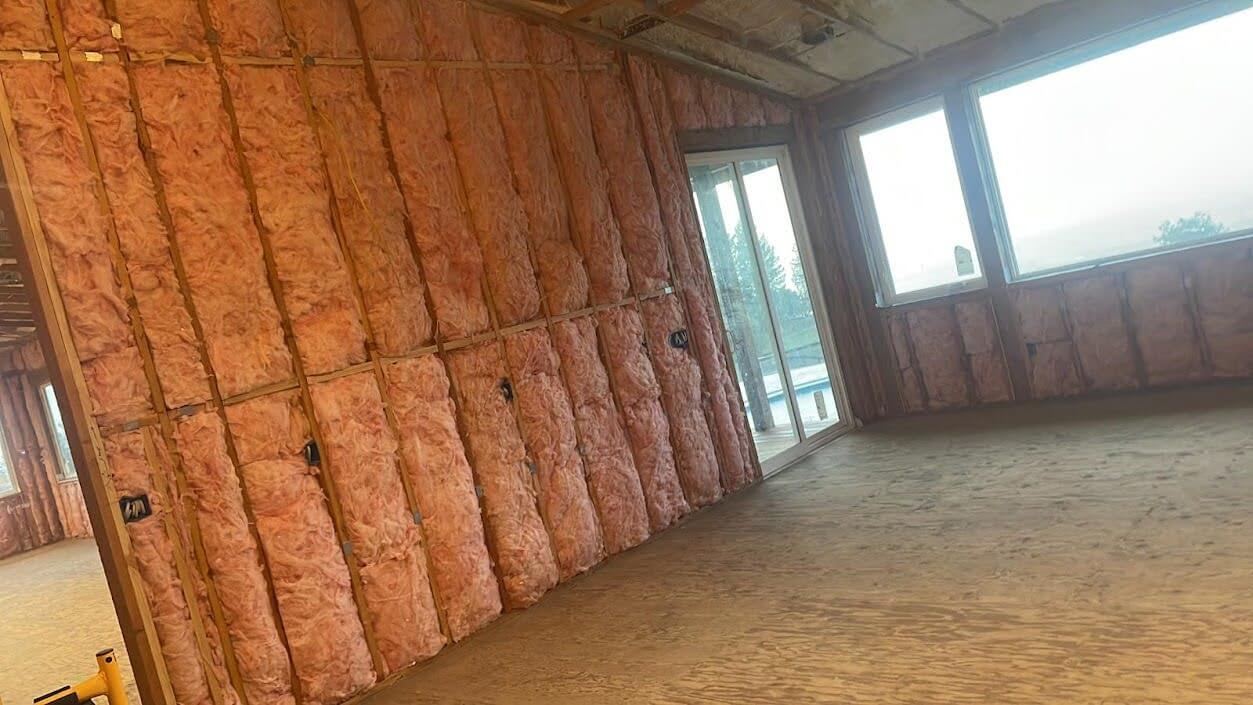
Inexpensive and easy to install. Loses insulating properties when wet, can irritate skin during installation, lower R-value than spray foam, may not form as tight an air barrier.
Licensed, bonded & insured — free on-site inspections within 100 miles of San Francisco. Save $250 on orders over $2,500.
Cellulose Insulation
Eco-friendly recycled paper treated with fire retardants. Performs well thermally but affected by moisture and settles over time, reducing insulating capability.
Reflective or Radiant Barrier Insulation
Reflects heat; works well in hot climates; often installed in attics to reduce summer heat gain. Low R-value and less effective in cooler climates.
Industry Trends 2025
California's updated Title 24 standards are projected to cut residential energy use by about 7-8% compared with the 2021 code, increasing demand for high-R-value insulation. 2 began requiring new houses to meet 2021 IECC insulation levels to qualify for the federal 45L tax credit, pushing San Jose and California builders toward higher-performance materials like spray foam.
- Updated Title 24: ~7-8% residential energy reduction vs 2021 code
- Energy Star for Homes v3.2 (early 2025): 2021 IECC insulation levels required for federal 45L tax credit
How to Choose the Best Insulation for Your Home
Four factors: cost (spray foam pricier but better performance; fiberglass cheaper), R-value (high-R materials like spray foam perform better), installation (homeowners can install fiberglass batts; spray foam needs professionals), long-term benefits (lower bills, comfort, resale value).
Factors to Consider
Bulleted list of the four factors.
- Cost
- R-value
- Installation
- Long-term benefits
Get an Instant Quote From a Licensed California Insulation Contractor
USA Spray Me (CSLB Lic# 1058008) installs spray foam, blow-in, fiberglass and soundproofing insulation, foam roofing and protective coatings throughout the San Francisco Bay Area and within 100 miles of the city, including San Jose. Call (855) 566-5340 or request a free inspection below — save $250 on orders over $2,500.