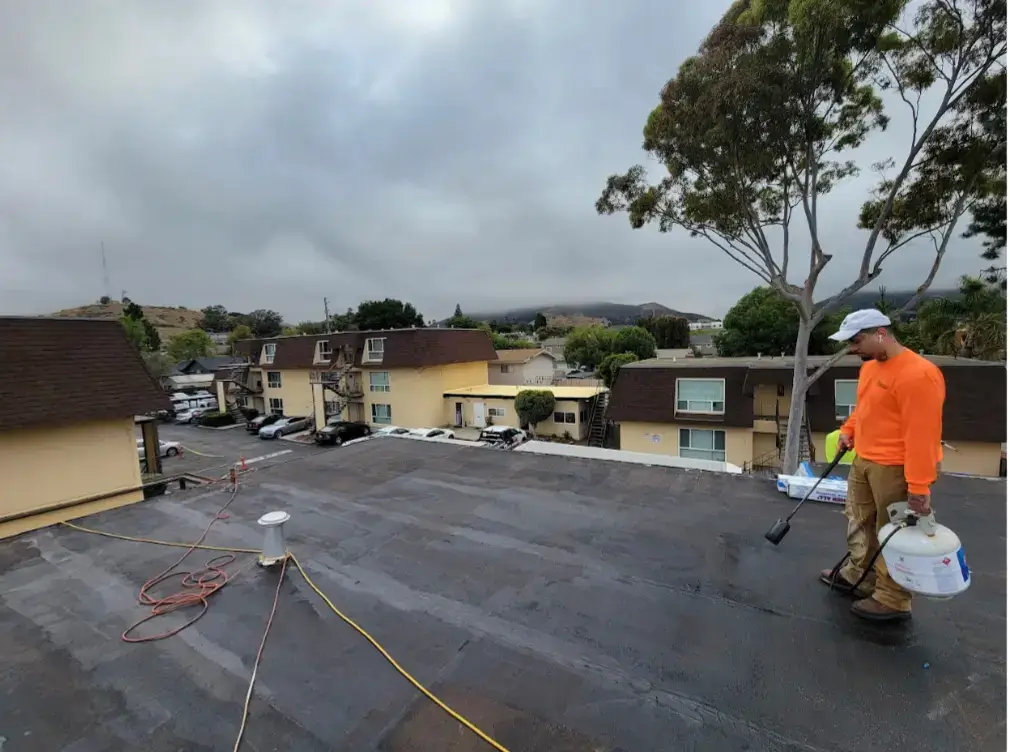

- Insulation keeps wine storage at the right temperature (55-58°F) and humidity (60-70%)
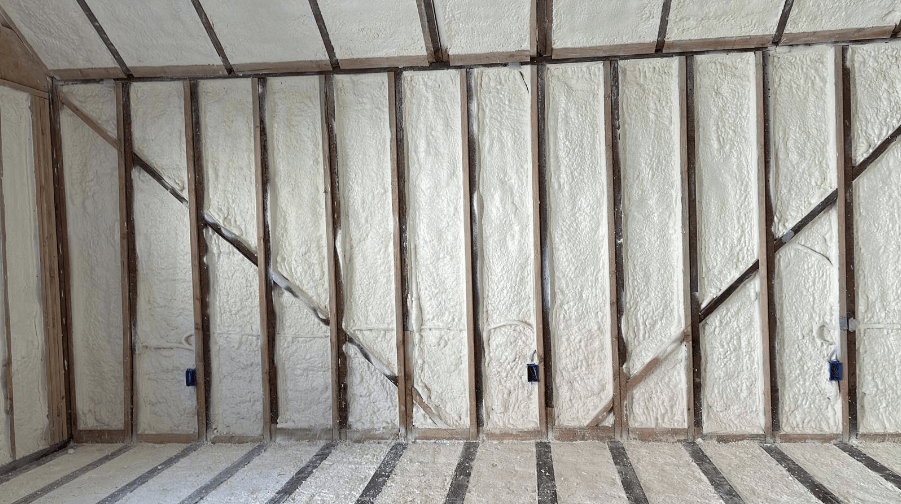
- Spray foam is the best choice due to airtight seal and high R-value
- Proper insulation reduces cooling costs, prevents corks drying out, lowers oxidation/spoilage risk
- Insulation also guards against pests and UV light
- USA Spray Me is a San Francisco company serving Northern California
- Types of Insulation for Wine Cellars
- The Benefits of Using Spray Foam Insulation in Cellars
- Choosing the Right Type of Spray Foam Insulation
- Preparing Your Wine Storage Space for Insulation Application
- The Installation Process of Spray Foam Insulation
- After Installation: Maintaining Your Insulated Wine Storage
- Why Should I Choose USA Spray Me?
Types of Insulation for Wine Cellars
Compares three options. Fiberglass is low-cost and widely available but absorbs moisture, leading to mold and mildew. Rigid foam boards resist moisture but cost more, need precise cutting, and some types require a thermal barrier for fire code. Spray foam is the top choice for air sealing and moisture resistance despite higher cost and need for professional installation.
- Fiberglass: low cost, widely available; can absorb moisture -> mold/mildew
- Rigid foam boards: moisture resistant; higher cost, precise cutting, some types need thermal barrier for fire safety codes
- Spray foam: best air sealing and moisture resistance; higher cost, professional install required
The Benefits of Using Spray Foam Insulation in Cellars
Lists four benefits of spray foam in wine cellars.
- Airtight seal that prevents temperature swings
- Moisture barrier against humidity and mold
- Improved energy efficiency that lowers bills
- Long-lasting performance that avoids frequent re-insulation
Choosing the Right Type of Spray Foam Insulation
Introduces R-value guidance and the open-cell vs closed-cell decision.
Understanding R-Values for Your Wine Cellar
Gives recommended R-values by surface, noting they vary by construction and location.
- Walls: R-13 to R-19
- Ceiling: R-19 to R-30 (heat rises)
- Floors: R-10 to R-15 (especially above a basement)
- Doors: R-5 to R-10
Open-Cell vs Closed-Cell Spray Foam
Open-cell is softer, flexible, good for soundproofing but less effective against moisture. Closed-cell is denser, more moisture-resistant, higher insulating power. Recommends closed-cell for California wine cellars because it guards against both temperature changes and moisture.
| Open-Cell Foam | Closed-Cell Foam | |
|---|---|---|
| Structure | Softer and more flexible | Denser and more rigid |
| Benefits | Better for soundproofing | Higher insulating power (higher R-value) |
| Moisture protection | Less effective against moisture | Excellent moisture barrier |
Preparing Your Wine Storage Space for Insulation Application
Preparation steps before insulating.
Evaluating Your Storage Space
Inspect for cracks, leaks and other problems first. Decide whether to insulate only walls or also ceiling and floor for full environmental control.
Clearing Out and Clean-up Beforehand
Remove wine racks, bottles and furnishings to create a clear surface. Clean thoroughly since dust, cobwebs and debris prevent adhesion.
The Installation Process of Spray Foam Insulation
Overview of installation.
Licensed, bonded & insured — free on-site inspections within 100 miles of San Francisco. Save $250 on orders over $2,500.
Essential Tools and Materials
For a DIY project (not recommended by the page): foam kits sized to the space, protective gear (goggles, gloves, respirator), spray gun/applicator, plastic sheeting, and clean-up supplies such as acetone and rags.
- Foam kits sized to space
- Goggles, gloves, respirator
- Spray gun or applicator
- Plastic sheeting
- Acetone and rags for clean-up
Step-by-Step Guide to Applying Foam Insulation
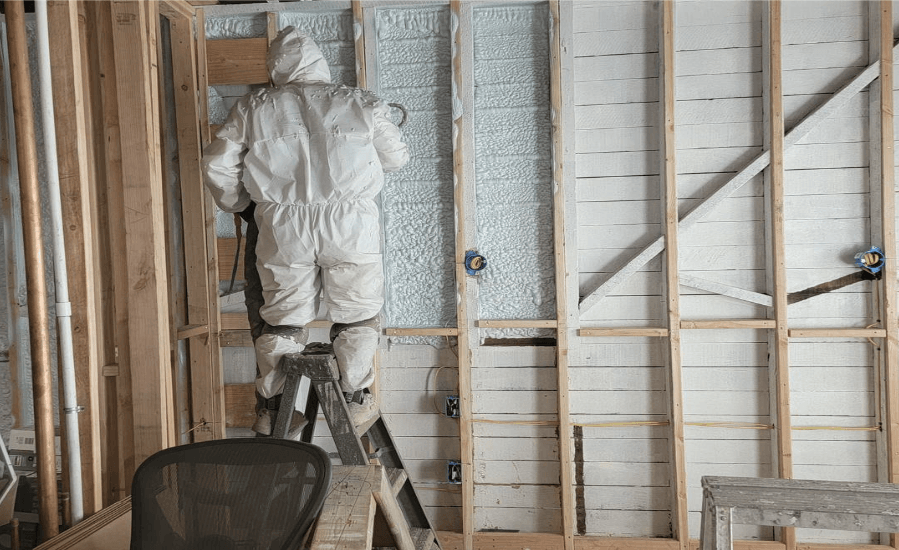
Apply an even layer covering all surfaces. Start at corners, work inward, fill all gaps, keep a steady hand and pace to avoid uneven spots.
Troubleshooting Common Installation Challenges
Poor adhesion may mean a dirty surface or a room that is too cold. Cracking or poor expansion may indicate old or low-quality foam. Follow manufacturer guidelines.
After Installation: Maintaining Your Insulated Wine Storage
Maintenance guidance.
Regular Checks and Balancing Humidity Levels
Inspect insulation for wear every few months and monitor humidity with a hygrometer, since moisture can still enter through cracks.
When to Call a Professional for Insulation Assessment
Call a professional if issues appear or if several years have passed since installation; they can assess performance and make repairs or upgrades.
Why Should I Choose USA Spray Me?
Company has over a decade of experience, uses materials from leading suppliers, and also offers polyurea coatings for waterproof roofing and fiberglass insulation for walls, attics and HVAC ducts.
Frequently Asked Questions
What does R-value mean?
R-value measures a material's resistance to heat flow; higher values mean better insulating performance.
Is spray foam safe for wine storage?
Yes, when properly installed. It creates an airtight seal that helps maintain temperature and humidity.
How long does spray foam last?
20 years or more with proper installation and maintenance.
DIY vs professional installation?
DIY can save money but requires precision and knowledge; professionals bring tools and experience to insulate to a high standard.
How does California's climate affect insulation needs?
Climate varies widely from cool coastal areas to hot inland valleys; spray foam's airtight seal protects against weather swings.
Are there alternatives to spray foam?
Fiberglass and rigid foam boards exist, but may not match spray foam's airtight sealing or moisture protection.
Get an Instant Quote From a Licensed California Insulation Contractor
USA Spray Me (CSLB Lic# 1058008) installs spray foam, blow-in, fiberglass and soundproofing insulation, foam roofing and protective coatings throughout the San Francisco Bay Area and within 100 miles of the city, including San Francisco. Call (855) 566-5340 or request a free inspection below — save $250 on orders over $2,500.