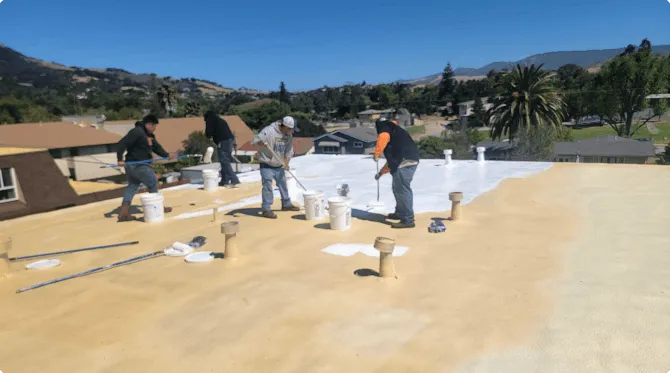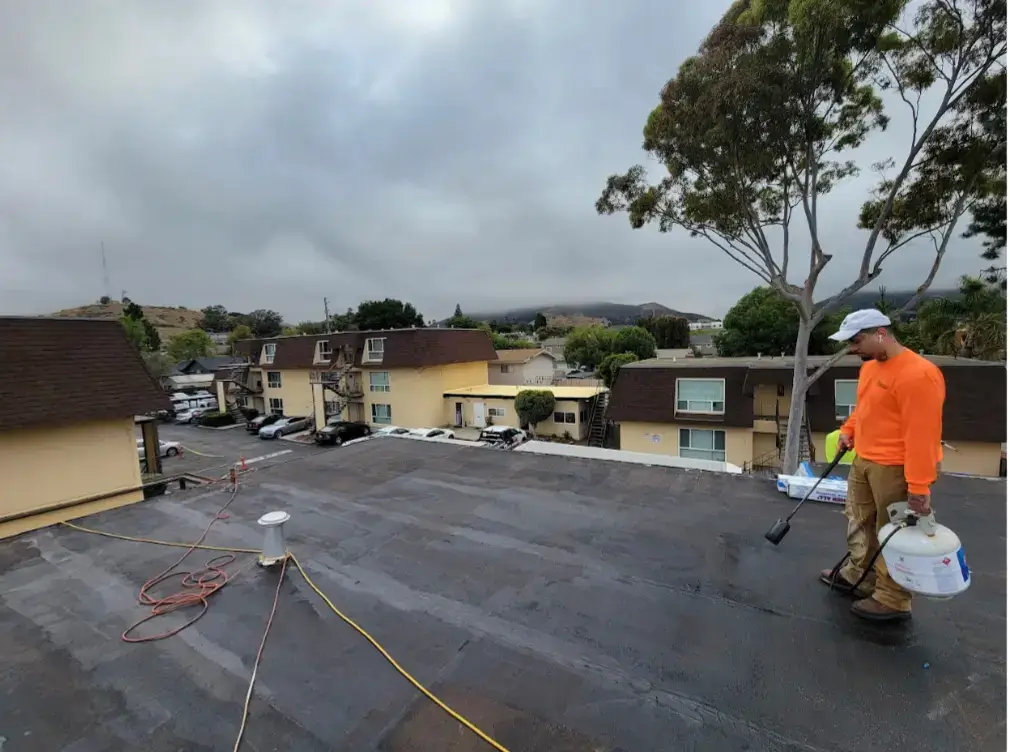
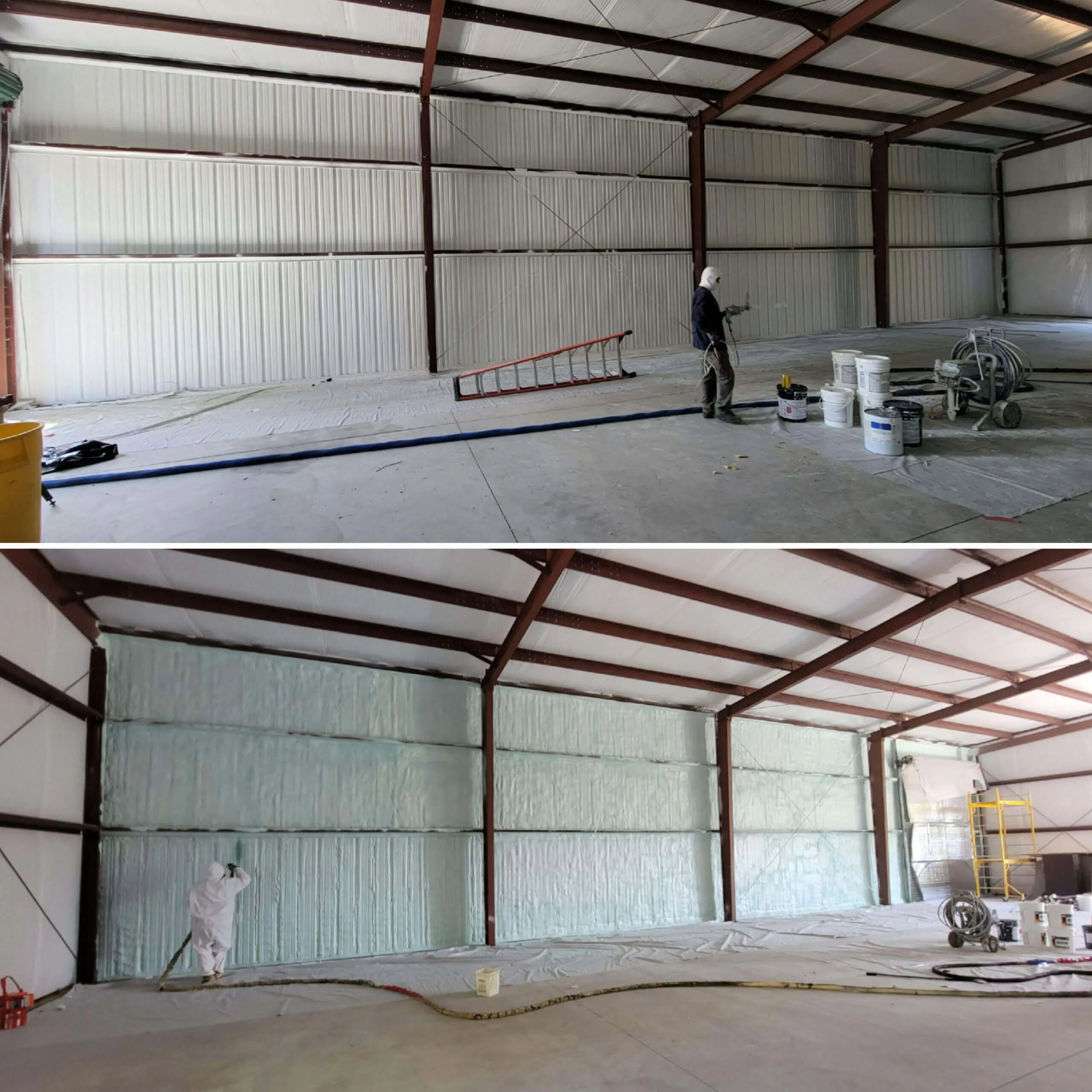
- Spray foam: higher R-value per inch, airtight, moisture control, esp. fog-heavy coastal California
- Cellulose: cost-effective and eco-friendly but needs supplemental air sealing to meet 2025 energy codes
- Spray foam typically cuts heating/cooling costs 25-40%; cellulose 10-20%
- Cellulose is 80-85% recycled paper; modern spray foams use low-GWP HFO blowing agents cutting emissions up to 99%
- Spray foam is easier to bring into Title 24 compliance because it seals air leaks on its own
- What Is Insulation & Why It Matters in 2025
- Spray Foam Insulation – Properties & Best Uses
- Cellulose (Blown-In) – Properties & Best Uses
- Spray Foam vs Cellulose – R-Values & Thickness
- When to Use Spray Foam vs Cellulose
- California-Specific Climate Recommendations
- 2025 Building Codes & Sustainability Trends
What Is Insulation & Why It Matters in 2025
Insulation is now judged on air leakage, moisture management and year-round performance, not R-value alone. Spray foam insulates, seals and controls vapor in one application. Cellulose insulates but doesn't seal air, so it relies on membranes and careful installation.
Why This Matters More in 2025
2025 requirements call for a much tighter building envelope, which spray foam helps pass in blower-door tests. San Francisco fog pushes moisture into wall cavities daily; closed-cell foam stops vapor diffusion and condensation. Cellulose needs strict moisture control to avoid settling, clumping and thermal loss.
Cellulose remains a sustainability leader via recycled content; HFO-based foams are among the lowest-GWP insulation materials available in 2025.
Spray Foam Insulation – Properties & Best Uses
Spray polyurethane foam (SPF) expands on contact to form an airtight, high-density thermal layer that both insulates and seals.
Technical Specifications (Spray Foam)
Open-cell is R-3.5 to R-3.8 per inch with excellent sound absorption. Closed-cell is R-6 to R-7 per inch and works as a moisture barrier with structural rigidity. Performance stays stable for 50-80+ years. Natural air sealing makes it well suited to Title 24.
- Open-cell: R-3.5 to R-3.8 per inch, excellent sound absorption
- Closed-cell: R-6 to R-7 per inch, moisture barrier, structural rigidity
- Stable performance 50-80+ years
Where Spray Foam Excels
Outperforms cellulose on rooflines, exterior walls, rim joists and crawl spaces. In coastal areas such as Pacifica, Half Moon Bay and the Richmond District it resists fog-driven condensation and mold. In older homes with uneven studs it fills irregular cavities and eliminates voids that reduce cellulose performance.
Limitations (Spray Foam)
Higher upfront cost and requires professionally trained installers. Closed-cell may need thermal or ignition barriers depending on building type.
Cellulose (Blown-In) – Properties & Best Uses
Cellulose is shredded, treated recycled paper blown into cavities under pressure. Offers good coverage and R-value comparable to open-cell foam.
Technical Specifications (Cellulose)
R-3.2 to R-3.8 per inch. Dense fill reduces sound transfer. Eco-friendly with high recycled content; performs well only when kept dry and properly air-sealed.
- R-3.2 to R-3.8 per inch
Where Cellulose Excels
Suits large attics, interior walls and open cavities where coverage and cost matter. Good acoustic performance; fits budget projects in mild or dry inland climates. Not an air barrier, so needs membranes or caulking to meet code, especially in coastal fog zones.
Licensed, bonded & insured — free on-site inspections within 100 miles of San Francisco. Save $250 on orders over $2,500.
Limitations (Cellulose)
Moisture-sensitive, can settle over time, may lose R-value in humid air or with wind infiltration. Performance depends on the product and completeness of air sealing.
Spray Foam vs Cellulose – R-Values & Thickness
Comparison table; spray foam reaches target R-values in tight spaces where cellulose cannot.
| Property | Spray Foam | Blown-In Cellulose |
|---|---|---|
| R-value per inch | R-3.5–R-7 | R-3.2–R-3.8 |
| Air sealing | Excellent | None |
| Moisture control | Excellent (closed-cell) | Moderate |
| Sound control | High (open-cell) | High |
| Structural strength | Yes (closed-cell) | No |
| Lifespan | 50–80+ years | 20–30 years |
Real-World Example – R-38 in a California Attic
To reach R-38: closed-cell needs 5.5-6.5 inches, open-cell 10-11 inches, cellulose 10-12 inches plus a separate air barrier.
- Closed-cell: 5.5–6.5 in
- Open-cell: 10–11 in
- Cellulose: 10–12 in + separate air barrier
When to Use Spray Foam vs Cellulose
Lists conditions favoring each material.
Choose Spray Foam If
Fog-heavy or humid coastal zone; blower-door performance matters; airtight construction needed; insulating roofs, crawl spaces, rim joists or exterior walls; want long-term durability and moisture protection.
- Fog-heavy or humid coastal zone
- Blower-door performance matters
- Airtight construction required
- Roofs, crawl spaces, rim joists, exterior walls
- Long-term durability and moisture protection
Choose Cellulose If
Insulating a large attic on a budget; prioritize recycled materials; want sound absorption between rooms; mild inland climate.
- Large attic on a budget
- Prioritize recycled materials
- Sound absorption between rooms
- Mild inland climate
California-Specific Climate Recommendations
Regional table matching climate challenges to recommended systems.
| Region | Climate Challenge | Recommended Insulation |
|---|---|---|
| Coastal (San Francisco, Daly City, Pacifica) | Daily fog cycles | Closed-cell foam strongly recommended |
| Inland Mild (San Jose, Dublin, Pleasanton) | Moderate conditions | Cellulose or hybrid systems |
| Central Valley | Extreme heat | Closed-cell foam for roof decks |
| Mountain & High Desert | Cold winters + limited cavities | Spray foam for highest R/inch |
2025 Building Codes & Sustainability Trends
The 2025 Title 24 update stresses airtightness and moisture management, which spray foam meets inherently; cellulose needs extensive air-sealing detail to match in blower-door testing. Both are improving: cellulose via recycled content and low embodied energy; spray foam via low-GWP HFO blowing agents and operating energy savings. USA Spray Me (San Francisco) designs Title-24-compliant spray foam systems.
Get an Instant Quote From a Licensed California Insulation Contractor
USA Spray Me (CSLB Lic# 1058008) installs spray foam, blow-in, fiberglass and soundproofing insulation, foam roofing and protective coatings throughout the San Francisco Bay Area and within 100 miles of the city, including Daly City, Pacifica, Half Moon Bay, San Jose, Dublin, Pleasanton. Call (855) 566-5340 or request a free inspection below — save $250 on orders over $2,500.