- Fiberglass $1.40-$3.00 per sq ft;
- spray foam $2.00-$9.00 with higher long-term savings.
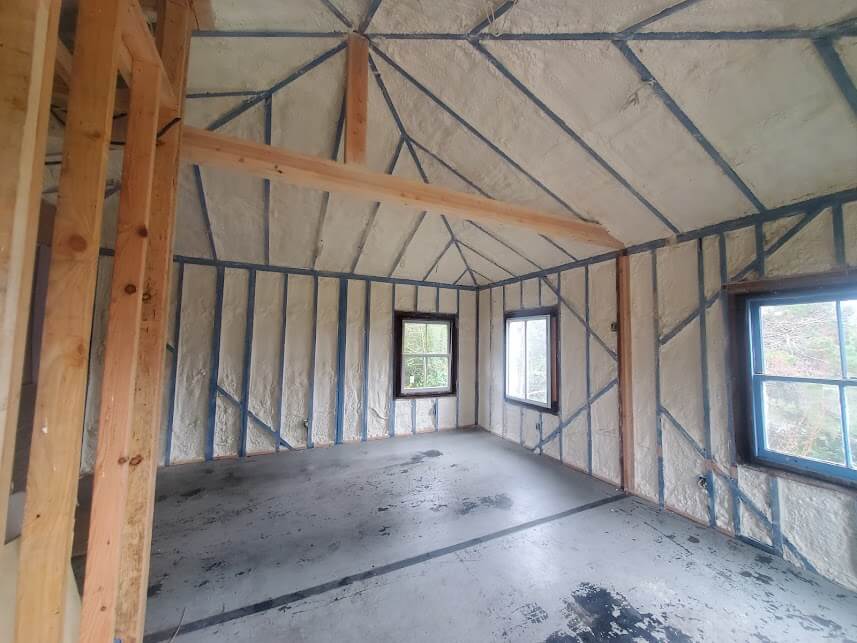
- Closed-cell spray foam up to R-6.5 per inch;
- fiberglass R-2.2-2.7.
- Closed-cell resists moisture and mold;
- fiberglass loses effectiveness in humidity.
Choosing the Right Insulation for Your Home: Spray Foam vs. Fiberglass
Insulation affects comfort, efficiency, environmental impact. Spray foam seals small gaps; fiberglass is affordable and DIY-friendly. Choice depends on upfront cost, long-term savings, climate, air-sealing and moisture needs.
Why Insulation Matters
Reduces heat transfer, lowers bills, improves comfort, cuts HVAC demand; controls moisture preventing mold and structural damage.
The Quick Comparison: Spray Foam and Fiberglass Overview
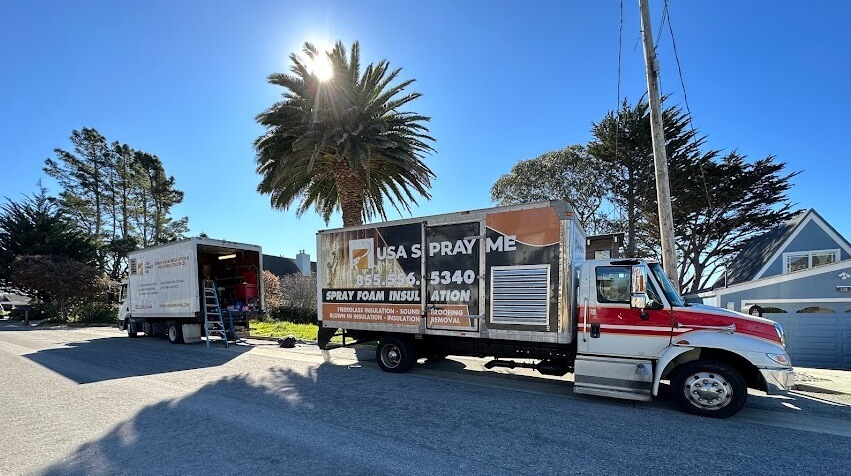
Spray foam: liquid expanding into foam; open-cell and closed-cell, closed-cell denser with higher R-value and cost. Fiberglass: fine glass fibers in batts or rolls, cost-effective and DIY-friendly, lacks air sealing. USA Spray Me is SF-based serving Northern California.
Breaking Down the Costs
Initial Installation Costs (bold): fiberglass $1.40-$3.00 per sq ft (~$1,400-$3,000 for an average home); spray foam $2.00-$9.00 per sq ft (~$2,000-$9,000). Estimates, not quotes.
| Insulation Type | Cost per sq ft | Average home total |
|---|---|---|
| Fiberglass | $1.40 - $3.00 | $1,400 - $3,000 |
| Spray Foam | $2.00 - $9.00 | $2,000 - $9,000 |
Long-Term Savings: Which Insulation Pays Off?
Spray foam's air sealing can reduce energy bills up to 20%; fiberglass gives adequate thermal resistance without comparable sealing, a lower-cost option for budget owners.
- Spray foam: up to 20% lower bills
Budget Considerations: What to Keep in Mind
Long-term owners may justify spray foam via savings; fiberglass suits shorter-term, lower-cost needs; consider climate, soundproofing, moisture.
Understanding R-Values: The Insulation Power
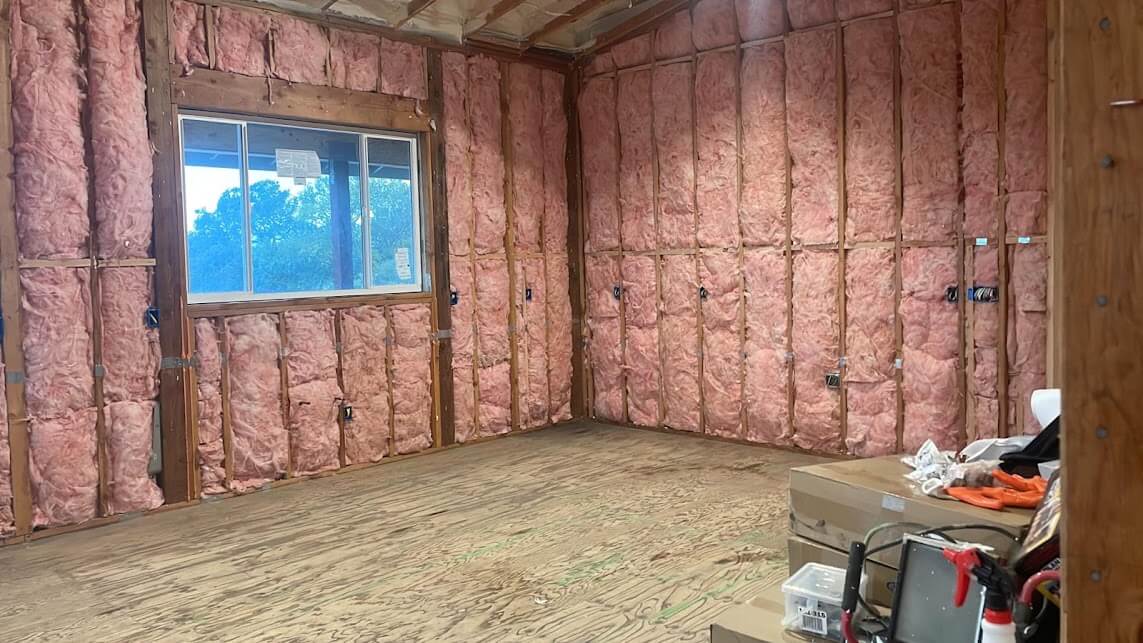
Photo of fiberglass-insulated walls; caption says fiberglass has competitive R-value but spray foam delivers higher energy savings.
What is R-Value and Why It's Important
R-value measures resistance to heat flow; higher is better; climate and application affect choice.
Spray Foam R-Value Analysis
Closed-cell up to R-6.5 per inch; open-cell around R-3.5 per inch, suited to soundproofing and drier areas.
- Closed-cell up to R-6.5/inch
- Open-cell ~R-3.5/inch
Licensed, bonded & insured — free on-site inspections within 100 miles of San Francisco. Save $250 on orders over $2,500.
Fiberglass R-Value Analysis
R-2.2 to R-2.7 per inch; cheaper but less efficient; popular for attics, walls, floors; batts, rolls or loose-fill.
- Fiberglass R-2.2-2.7/inch
Effectiveness Over Time: Which Insulation Lasts?
Spray foam keeps R-value, resists sagging and settling; fiberglass can lose effectiveness from settling or moisture but lasts years with proper install and inspections.
Additional Benefits and Drawbacks
Comparison table.
| Category | Spray Foam | Fiberglass |
|---|---|---|
| Air Sealing & Energy Efficiency | Excellent air sealing; reduces energy loss | Less effective at air sealing |
| Ease of Installation | Professional installation; higher initial cost | Easier to install; more affordable |
| Fire Resistance | Can be treated with fire retardants; check fire rating | Non-combustible; safe in fire-prone areas |
| Moisture & Water Resistance | Closed-cell moisture-resistant; prevents mold; basements and crawl spaces | Less effective in humid areas |
| Environmental Impact | Petroleum-based; VOCs during installation; eco-friendly options available | Recycled glass and sand; eco-friendly, non-toxic |
Making the Right Choice for Your Needs
Depends on budget, climate, areas needing insulation; spray foam higher upfront, better performance; fiberglass cheaper, may underperform long-term.
Factors to Consider Based on Home Location and Climate
Colder climates benefit from spray foam's higher R-value; milder climates may find fiberglass sufficient; humid conditions favor closed-cell's water resistance.
DIY vs. Professional Installation: What to Expect
Fiberglass DIY-friendly with skin-irritation precautions; spray foam professional-only due to equipment and risk of performance or structural problems.
Smart Decision-Making: Weighing the Pros and Cons
Feature comparison table.
| Feature | Spray Foam | Fiberglass |
|---|---|---|
| Energy Efficiency | Excellent, superior air sealing | Moderate, weaker air sealing |
| Moisture Resistance | Highly resistant; humid climates | Lower; dry environments |
| Installation | Professional | DIY-friendly |
| Cost | Higher upfront | Budget-friendly |
| Long-Term Savings | Potentially significant | Moderate |
| Ideal For | Extreme climates needing moisture and air sealing | Milder climates with fewer temperature swings |
Get an Instant Quote From a Licensed California Insulation Contractor
USA Spray Me (CSLB Lic# 1058008) installs spray foam, blow-in, fiberglass and soundproofing insulation, foam roofing and protective coatings throughout the San Francisco Bay Area and within 100 miles of the city. Call (855) 566-5340 or request a free inspection below — save $250 on orders over $2,500.