- Four options: lower-cost fiberglass, air-sealing spray foam, high-R-value rigid foam, heat-reducing radiant barriers.
- Spray foam costs more;
- radiant barriers must be combined with other insulation in cold climates.
- USA Spray Me can help improve temperature control and efficiency.
Insulation Options for Cold Rooms in California
Insulation keeps cold rooms at the right temperature for food storage and lowers energy use and bills.
Why Insulation Matters for Your Cold Room
Maintains desired temperature for food and temperature-sensitive goods; reduces energy consumption and electricity bills.
Temperature Control and Energy Efficiency
Barrier between inside and outside; in hot California summers it keeps outside heat from entering.
Preventing Temperature Fluctuations
Limits harmful temperature swings; stability is essential for perishables.
Lowering Energy Bills
Less heat transfer means the cooling system works less, lowering energy use and utility costs.
Types of Insulation Options
Introduces four insulation types.
Fiberglass Insulation
Fine glass fibers in rolls or batts; relatively inexpensive and easy to install but thermal efficiency is not the best.
Spray Foam Insulation
Expands when applied, fills gaps, airtight seal. Open-cell and closed-cell, with closed-cell offering the higher R-value.
Rigid Foam Insulation
Three types: expanded polystyrene (EPS), extruded polystyrene (XPS), polyisocyanurate (polyiso). High-R-value panels usable on walls, floors and ceilings.
- EPS
- XPS
- Polyiso
Reflective or Radiant Barrier Insulation
Reflects radiant heat away; works well in hot climates like California; for cold rooms usually paired with other insulation.
Licensed, bonded & insured — free on-site inspections within 100 miles of San Francisco. Save $250 on orders over $2,500.
Pros and Cons of Each Insulation Type
Comparison table.
| Insulation Type | Pros | Cons |
|---|---|---|
| Fiberglass | Non-combustible, good R-value per dollar, cost-effective, easy to install, widely available | Loses effectiveness when compressed or wet, irritates skin and lungs, needs protective gear, no airtight seal |
| Spray Foam | Superior air sealing, high R-value (closed-cell), moisture barrier (closed-cell), reaches hard-to-access areas | Higher cost, open-cell can absorb water, professional installation required |
| Rigid Foam | High R-values, durable, usable on walls/floors/ceilings, easy to handle, reduces thermal bridging | Costs more than fiberglass, hard to fit irregular spaces, some types flammable and need fire-resistant covering |
| Radiant Barrier | Lightweight, easy to install, cuts cooling costs in hot climates, reflects radiant heat | Weak in cold climates, must be combined with other insulation, little R-value on its own |
Cost Analysis
Cost per square foot estimates at time of writing; may differ from contractor quotes.
| Insulation Type | Cost per Sq Ft |
|---|---|
| Fiberglass | $0.40 - $1.50 |
| Spray Foam | $1.00 - $4.00 |
| Rigid Foam | $1.20 - $2.50 |
| Radiant Barrier | $0.15 - $0.30 |
Installation Tips
Wear protective gear (especially with fiberglass); ventilate during spray foam work; seal gaps before installation; combine types (radiant barrier with fiberglass or foam); consult a professional when needed.
- Protective gear
- Ventilation for spray foam
- Seal gaps first
- Combine insulation types
- Consult a professional
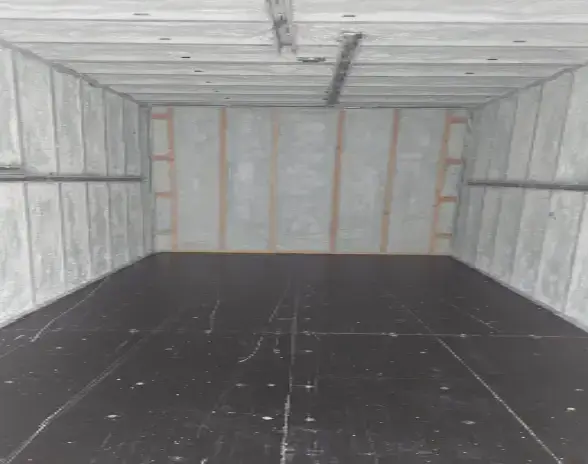
Choosing the Right Insulation for Your Cold Room
Fiberglass for budget-conscious owners; spray foam best for air sealing and moisture resistance despite higher cost; radiant barriers in hot climates combined with another type.
R-Value Suitability
R-value measures resistance to heat flow; higher is better; high R-value essential for cold rooms.
Local Climate Conditions
Coastal areas: moisture-resistant closed-cell spray foam. Inland: radiant barriers to reduce heat gain. Mountainous regions: high-R-value options like spray foam.
- Coastal: closed-cell spray foam
- Inland: radiant barriers
- Mountain: high-R spray foam
Budget Considerations
Spray foam's higher upfront cost yields better air sealing and efficiency, lowering bills over time versus cheaper, less airtight fiberglass.
Environmental Impact
Spray foam credited with strong thermal performance, reduced energy use, airtight sealing, fewer drafts, better indoor air quality; called a sustainable choice.
Get an Instant Quote From a Licensed California Insulation Contractor
USA Spray Me (CSLB Lic# 1058008) installs spray foam, blow-in, fiberglass and soundproofing insulation, foam roofing and protective coatings throughout the San Francisco Bay Area and within 100 miles of the city, including San Francisco. Call (855) 566-5340 or request a free inspection below — save $250 on orders over $2,500.