
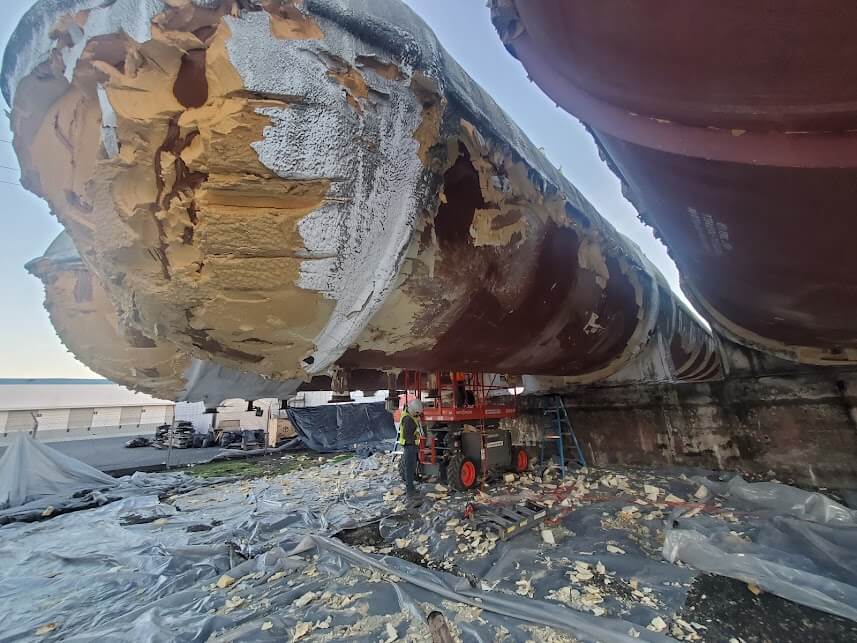
- Tank insulation cuts energy use, holds steady internal temperatures and limits condensation.
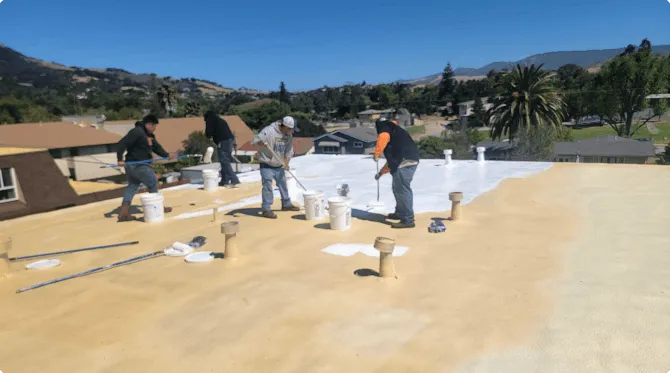
- Spray foam costs more up front but seals air well, lasts and saves energy.
- Fiberglass is cheaper but handles moisture poorly.
- Cellular glass resists moisture and is eco-friendly, with higher initial price and lower maintenance.
Cost of Cold Storage Tank Insulation
Insulation choice affects temperature control, energy consumption and condensation. Cost depends on material, tank size and shape, and installation complexity. Foam, fiberglass and cellular glass differ in thermal resistance and durability, shaping upfront and lifetime costs.
Initial Installation Costs
Price depends on insulation type, tank size and install complexity. Foam costs more because of its performance and specific installation needs.
Maintenance and Upkeep
Fiberglass may need more frequent attention to prevent moisture buildup. Foam and cellular glass are more durable and need less upkeep.
Long-Term Cost Benefits
Good insulation keeps temperatures consistent, lowering energy bills. Durable materials like foam and cellular glass extend service life and increase savings.
Types of Insulation Options
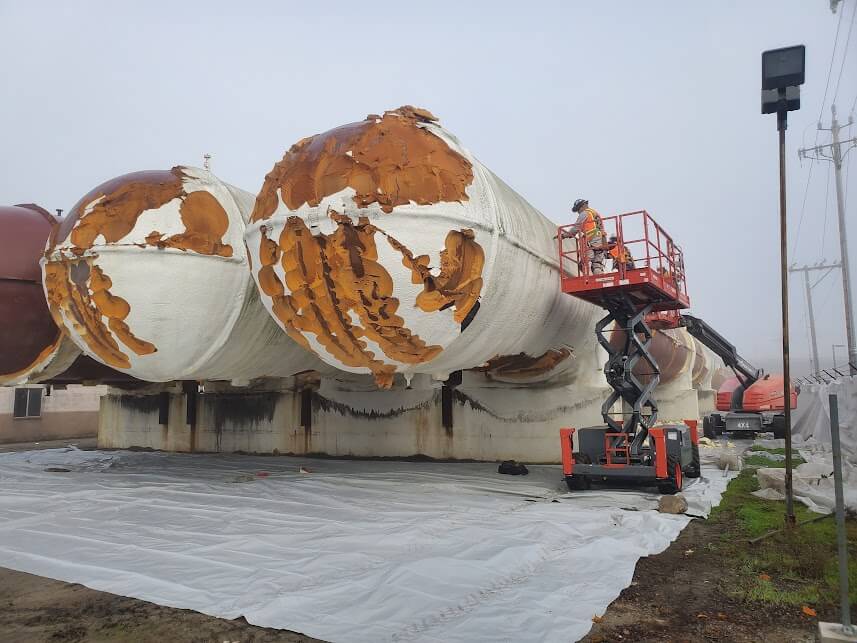
Spray foam and other materials provide temperature control for California cold storage facilities.
Foam Insulation
Popular for air sealing and high R-value. Closed-cell foam is denser, higher R-value, blocks moisture. Open-cell insulates well but controls moisture poorly. Higher cost offset by efficiency and durability.
Fiberglass Insulation
Inexpensive, simple to install, made of fine glass fibers, noncombustible. Loses performance when compressed or wet, so needs moisture protection in cold storage.
Cellular Glass - Pros & Cons
Made from crushed, heated and cooled glass; forms a strong moisture and heat barrier. Drawbacks are cost and weight. Long life and low maintenance suit sites requiring strict moisture control.
| Pros | Cons |
|---|---|
| Excellent moisture resistance | Higher initial cost |
| High durability and strength | Heavier than other materials |
| Non-combustible | Requires professional installation |
Factors Influencing Insulation Choice
Selection depends on climate, stored product and regulations.
Licensed, bonded & insured — free on-site inspections within 100 miles of San Francisco. Save $250 on orders over $2,500.
Climate Considerations
Extreme California temperatures demand strong thermal resistance to keep interiors stable.
Storage Material Specifics
Temperature-sensitive contents need high thermal resistance to prevent spoilage or degradation.
Regulatory Requirements
Compliance is mandatory.
- Review local building codes
- Consider industry-specific standards
- Consult experts to ensure compliance
Environmental Impact
Insulation affects sustainability through energy use, material sourcing and emissions.
Energy Efficiency
High-R-value insulation reduces energy use, emissions and costs while maintaining steady temperatures.
Sustainability of Materials
Recycled or renewable inputs lessen resource impact. Cellular glass, made from recycled glass, is durable and long-lasting.
Reduction in CO2 Emissions
Better insulation reduces heating and cooling demand, lowering CO2 output.
Optimal Insulation Strategy
Weigh cost, performance and environmental impact. Foam offers the best air sealing and efficiency at a higher price. Fiberglass is the budget option with weaker moisture resistance. Cellular glass is durable and eco-conscious.
Get an Instant Quote From a Licensed California Insulation Contractor
USA Spray Me (CSLB Lic# 1058008) installs spray foam, blow-in, fiberglass and soundproofing insulation, foam roofing and protective coatings throughout the San Francisco Bay Area and within 100 miles of the city, including San Francisco. Call (855) 566-5340 or request a free inspection below — save $250 on orders over $2,500.