
- Target R-18 to R-30 for California cold storage
- Rigid foam: high thermal resistance, costly install
- Fiberglass: cheaper, frequent maintenance
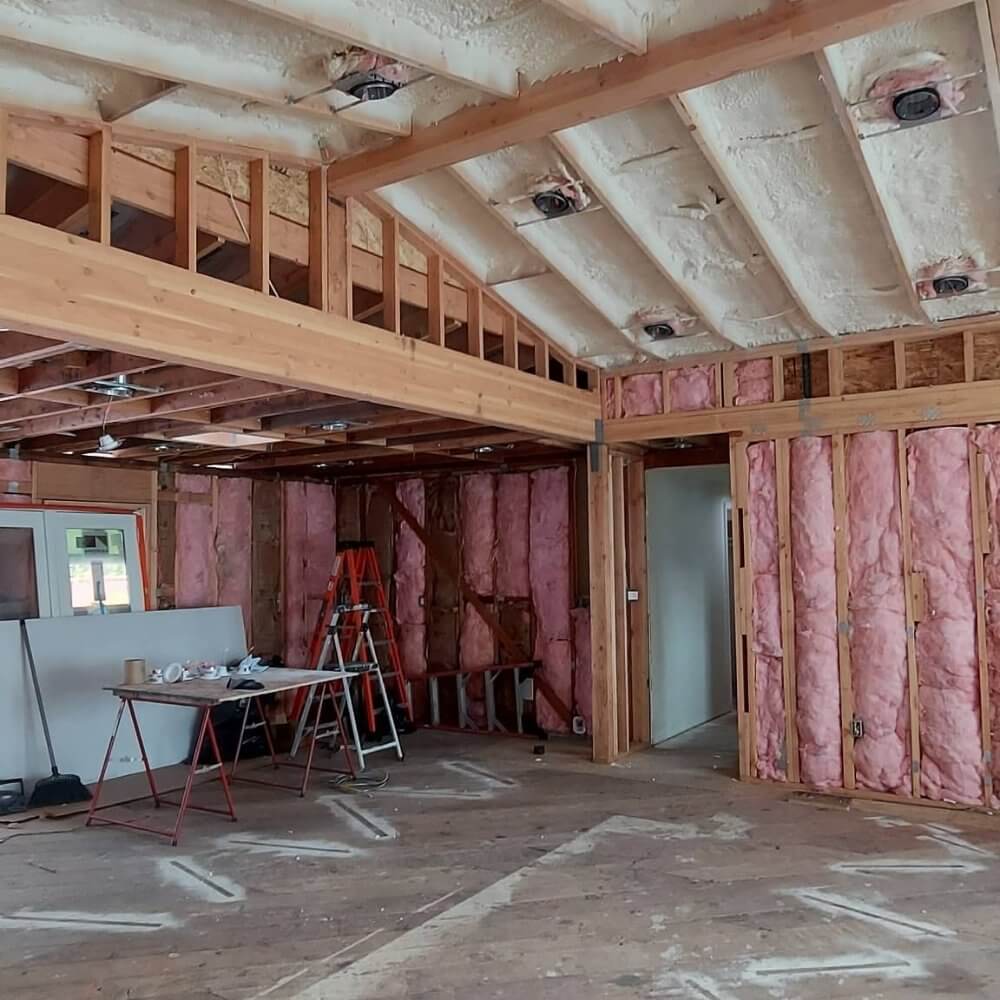
- Spray foam: strong coverage and air sealing, higher upfront cost
- USA Spray Me helps choose insulation for energy savings and temperature control
Cold Storage Warehouse Insulation Options in California
Insulation's main job is keeping temperatures steady to protect perishable goods. Recommends an R-value between R-18 and R-30 given California's varying climate.
Rigid Foam Insulation
Well suited to low temperatures because of high thermal resistance. Comes in large panels that are easy to install on walls, floors and roofs. R-value of R-5 to R-8 per inch, substantially reducing heat transfer.
Fiberglass Insulation
Made from fine glass fibers, common in residential and commercial buildings. Affordable and easy to install in walls and ceilings. Vulnerable to moisture and mold, so needs more frequent maintenance and replacement.
Spray Foam Insulation
Applied as a liquid that expands and hardens, sealing gaps into a continuous barrier that stops air leaks. R-value of R-6 to R-7 per inch. Describes USA Spray Me as a San Francisco company serving Northern California using polyurethane foam.
Costs
Costs depend on material and warehouse size. Table compares initial cost per square foot, maintenance and energy efficiency. Figures are estimates; request quotes from contractors. Note: original fiberglass price printed as '10.40 - $3' (typo for $1.40 - $3).
| Insulation Material | Initial Cost (per sq ft) | Maintenance Cost | Energy Efficiency |
|---|---|---|---|
| Rigid Foam | $3 - $10 | Low | High |
| Fiberglass | $1.40 - $3 | Moderate | Moderate |
| Spray Foam | $2 - $9 | Low | High |
Long-Term Maintenance Costs
Some materials are cheaper over time. Rigid foam needs little upkeep and resists moisture and pests. Fiberglass must be replaced periodically. Spray foam costs more upfront but has low maintenance because its airtight seal limits moisture intrusion.
Pros
Insulation improves energy efficiency, stabilizes temperature and extends product shelf life.
- Energy efficiency
- Temperature control
- Product shelf life
Energy Efficiency
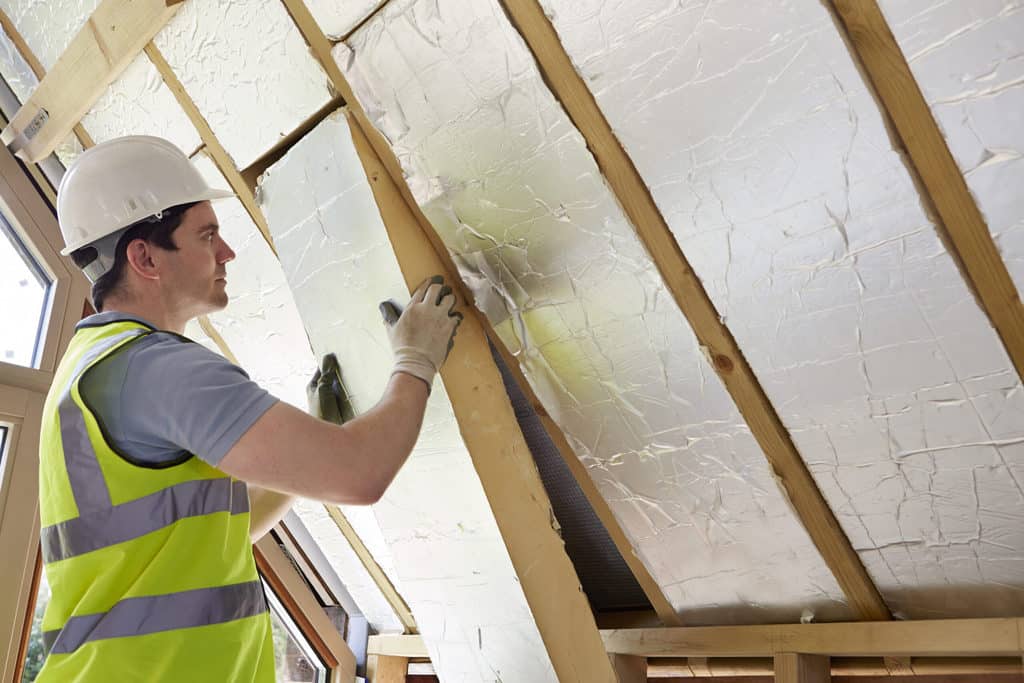
Good insulation reduces heat transfer, lowering HVAC workload and energy use.
Licensed, bonded & insured — free on-site inspections within 100 miles of San Francisco. Save $250 on orders over $2,500.
Temperature Control
Effective insulation keeps temperatures stable, protecting perishable food, pharmaceuticals and other temperature-sensitive goods.
Product Shelf Life
Maintaining the right temperature prevents spoilage and degradation, reducing waste and improving profitability.
Cons
Covers cost, installation difficulty, maintenance, and environmental and health concerns.
- Costs
- Potential installation challenges
- Maintenance and repair
- Environmental and health considerations
Costs
Rigid and spray foam can be expensive to install, but long-term energy and maintenance savings may offset the initial expense.
Potential Installation Challenges
Building size, layout and insulation type can complicate installation. Recommends hiring experienced professionals.
Maintenance and Repair
Fiberglass degrades and may need periodic replacement. Even low-maintenance options like rigid and spray foam need regular inspections, and problems should be fixed promptly.
Environmental and Health Considerations
Some products, including spray foam, release chemicals during installation that can be hazardous if mishandled. Production and disposal of some materials also affect the environment. Suggests eco-friendly options and experienced installers.
Get an Instant Quote From a Licensed California Insulation Contractor
USA Spray Me (CSLB Lic# 1058008) installs spray foam, blow-in, fiberglass and soundproofing insulation, foam roofing and protective coatings throughout the San Francisco Bay Area and within 100 miles of the city, including San Francisco. Call (855) 566-5340 or request a free inspection below — save $250 on orders over $2,500.