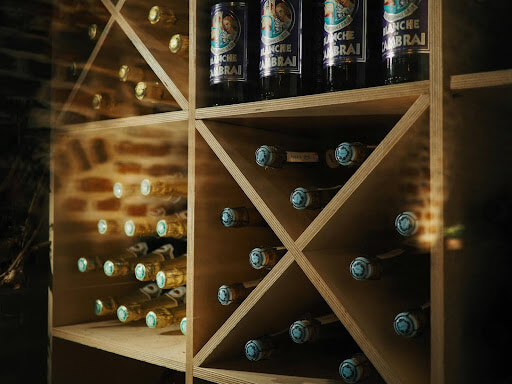
- Stable temperature and humidity protect wine quality
- Spray foam: durable, airtight
- Fiberglass batt: cheap but less durable
- Eco-friendly insulation lowers energy bills
Green Insulation for Your California Wine Cellar
Introductory section.
Importance of Proper Insulation In Wine Cellars
Insulation maintains the environment a valuable collection needs. Without it, temperature swings and humidity changes spoil wine, reducing flavor and value.
Impact on Wine Quality
Temperature changes make wine expand and contract, causing seepage and oxidation. Low humidity dries corks and lets air in; high humidity promotes mold.
Energy Efficiency and Cost Savings
A well-insulated cellar reduces cooling load, lowering energy bills and carbon footprint. Benefits: lower energy expenses, better overall efficiency, lower long-term maintenance costs. USA Spray Me is San Francisco-based, serves Northern California, and specializes in polyurethane foam with strong thermal performance and air sealing.
- Lower energy expenses
- Better overall efficiency
- Lower long-term maintenance costs
Common Wine Cellar Insulation Types
Introduces three insulation types.
Fiberglass Batt Insulation
Made of fine glass fibers in pre-cut panels; budget-friendly but offers less moisture control than other materials.
Spray Foam Insulation
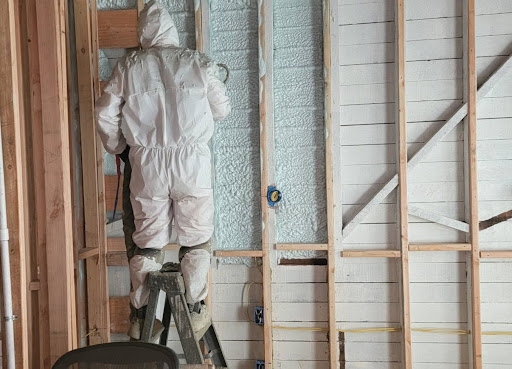
Called one of the best options for wine cellars. Seals gaps and cracks to prevent air leakage; durable with excellent thermal resistance.
Rigid Foam Insulation
Panels cut to fit cellar walls; good thermal resistance and moisture control for long-term use.
How to Choose the Best Insulation for Your Wine Cellar
Selection criteria: climate, budget, cellar size and layout, durability, temperature and humidity control.
Climate Considerations
Regions with brief, regular humidity spikes such as Sonoma Valley benefit from spray foam or rigid foam because of their moisture resistance.
Licensed, bonded & insured — free on-site inspections within 100 miles of San Francisco. Save $250 on orders over $2,500.
Budget Considerations
Spray foam and rigid foam cost more upfront but save over time through lower energy and maintenance costs. Fiberglass batt is cheaper but may need more frequent replacement.
Cellar Size and Layout
Large cellars benefit from spray foam's sealing across wide areas. Small cellars on a tight budget can use rigid foam or fiberglass batts. Spray foam conforms to irregular and hard-to-reach spaces that rigid panels may not fit.
Durability and Maintenance
Closed-cell spray foam lasts for decades without replacement. Fiberglass can lose effectiveness from moisture absorption or settling. Rigid foam offers good durability with less frequent maintenance.
Temperature and Humidity Control
Insulation that prevents air leaks and limits temperature swings preserves wine. Spray foam's airtight seal is especially effective; rigid foam performs well due to high R-value and moisture resistance; fiberglass is less effective for humidity control.
Green Insulation Options
Contains the fiberglass vs spray foam comparison table.
Fiberglass vs Spray Foam Comparison
Fiberglass has a lower R-value and is less efficient if installed improperly; it is DIY-friendly and made from recycled glass but some products contain formaldehyde and production is energy-intensive. Spray foam has a higher R-value, seals airtight, resists moisture and mold, requires professional installation, and has lower overall environmental impact due to energy savings over time.
| Feature/Aspect | Fiberglass Batt Insulation | Spray Foam Insulation |
|---|---|---|
| R-Value | Lower (R-2.9 to R-4.3 per inch) | Higher (R-6 to R-7 per inch) |
| Energy Efficiency | Less efficient; performance drops with improper installation | Highly efficient; airtight seal |
| Moisture Resistance | Moisture resistant but requires additional vapor barriers | Excellent moisture barrier; prevents mold growth |
| Durability | Short lifecycle; prone to sagging and settling | Long-lasting; maintains performance without settling |
| Installation | Easy; DIY-friendly | Professional installation; specialized equipment |
| Material Composition | Recycled glass; some products contain formaldehyde | Polyurethane; many options use eco-friendly blowing agents |
| Environmental Impact | Energy-intensive production; can release pollutants | Lower overall impact due to long-term energy savings |
Expertise and Experience
More than ten years of experience; San Francisco-based team specializing in wine cellar insulation.
Eco-Friendly Insulation Materials
Works with leading suppliers to source high-quality, sustainable materials.
Get an Instant Quote From a Licensed California Insulation Contractor
USA Spray Me (CSLB Lic# 1058008) installs spray foam, blow-in, fiberglass and soundproofing insulation, foam roofing and protective coatings throughout the San Francisco Bay Area and within 100 miles of the city, including Sonoma. Call (855) 566-5340 or request a free inspection below — save $250 on orders over $2,500.