- Proper commercial insulation may cut energy use by up to 50%
- Fremont options include spray foam, closed-cell, fiberglass, blown-in and polyurea
- Spray foam costs more upfront but saves more over time
- Fiberglass is cheaper but weaker in humid areas
- USA Spray Me offers spray foam in Fremont
Overview of Fremont Commercial Insulation Options
HVAC systems account for 35% to 50% of commercial building energy use (citing energy.gov). Insulation lowers that use and suits various budgets.
- HVAC = 35–50% of commercial building energy use (energy.gov)
Importance of Insulation
Lowers utility bills and keeps indoor conditions stable for comfort and productivity.
Variety of Insulation Choices
Spray foam, closed-cell, fiberglass, blown-in and polyurea coating listed as popular options.
Types of Insulation Materials
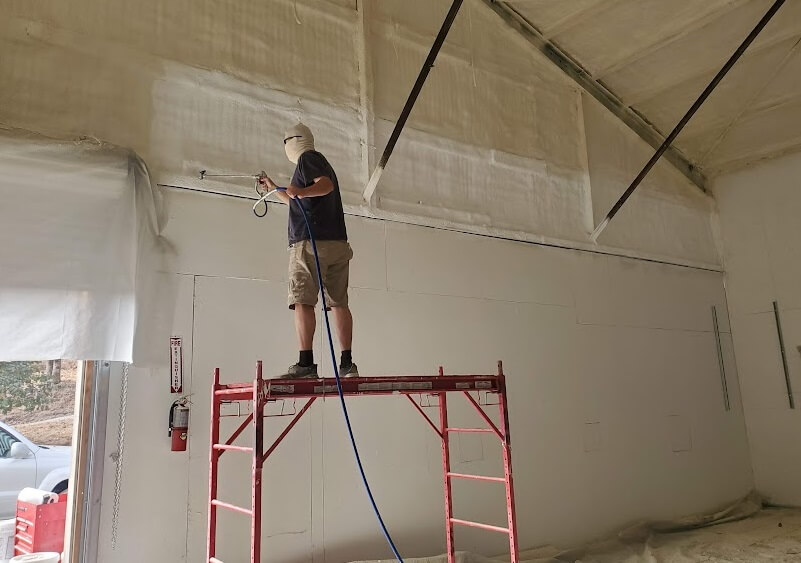
Introduces material types; photo caption about spray foam for temperature-sensitive research labs.
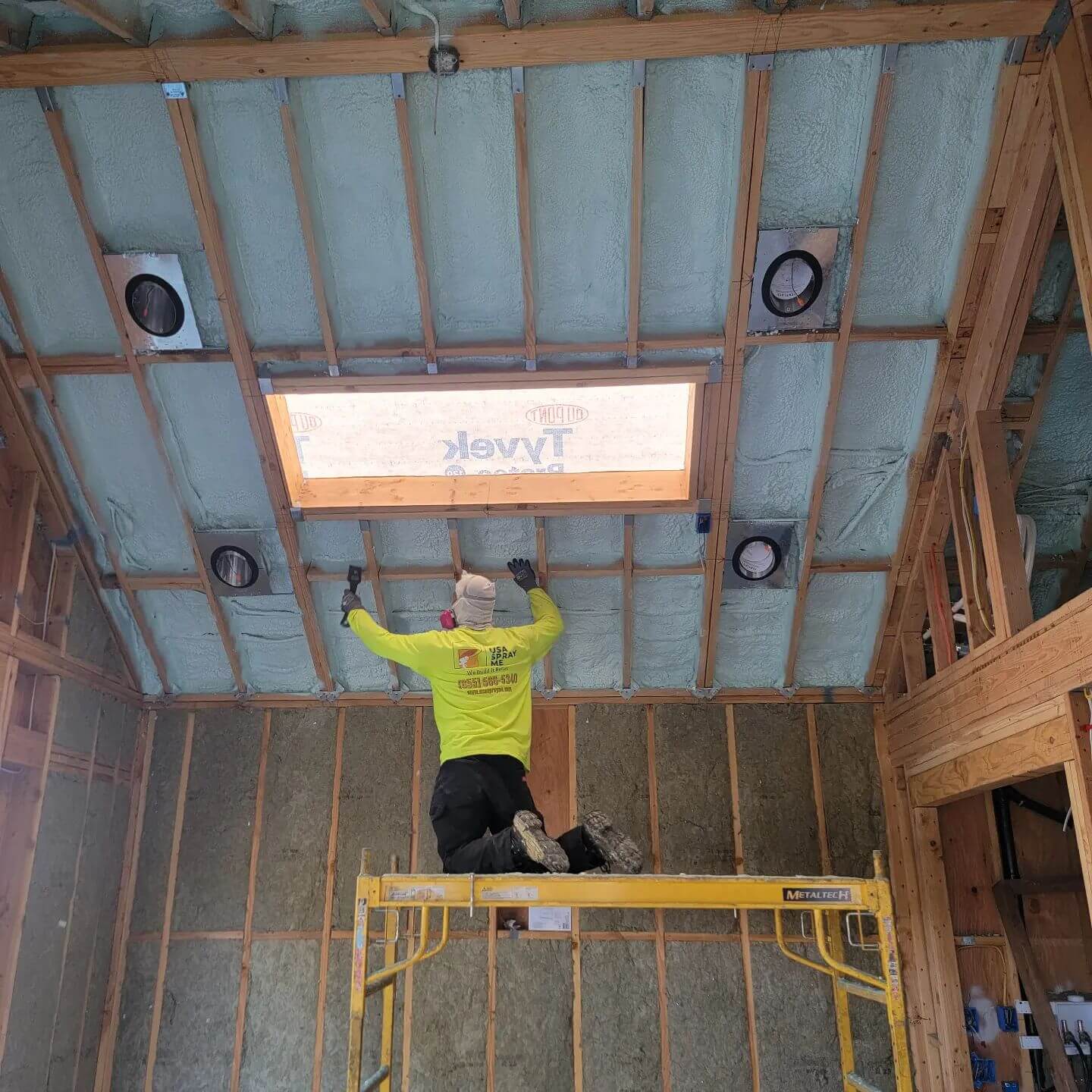
Spray Foam Insulation
Pros: airtight sealing, moisture resistance, long-lasting without settling, added structural strength, fills cracks and voids. Cons: higher upfront cost, professional installation required, ventilation needed during curing, slight odor during curing, not suitable for DIY.
- Pros: airtight seal; moisture resistance; no settling; structural strength; fills cracks/voids
- Cons: higher cost; pro install; ventilation during curing; slight odor; not DIY
Blown-In Insulation
Pros: cost-effective, fills gaps and hard-to-reach areas, quick to install for retrofits, eco-friendly recycled options. Cons: settles over time and may need replenishment, absorbs moisture without barriers, no fully airtight seal.
- Pros: cost-effective; fills gaps; quick retrofits; recycled options
- Cons: settles; absorbs moisture; not airtight
Licensed, bonded & insured — free on-site inspections within 100 miles of San Francisco. Save $250 on orders over $2,500.
Fiberglass Insulation (heading missing on page)
Pros: affordable, widely available, easy to install in new construction or retrofits, naturally fire-resistant, batts or blown-in, moderate noise reduction. Cons: absorbs moisture, no airtight seal, possible skin irritation, less effective in extreme climates, requires protective gear.
- Pros: affordable; available; easy install; fire-resistant; batts or blown-in; moderate noise reduction
- Cons: absorbs moisture; not airtight; skin irritation; weak in extreme climates; protective gear
Best Applications for Each Insulation Type
Fiberglass: standard walls and ceilings where cost matters. Spray foam: new construction and airtight needs. Blown-in: retrofits and irregular spaces. Reflective: high solar exposure. Rigid foam: moisture-prone areas.
Lab Environments and Insulation Needs
Research labs need stable temperature and humidity; insulation reduces temperature swings. (Page references Santa Rosa's variable temperatures.)
Weather Considerations in Santa Rosa
Santa Rosa has a Mediterranean climate with average summer highs of 82°F and average winter lows of 38°F. Spray foam and rigid foam offer high R-values and moisture control. (Content drift from Fremont to Santa Rosa.)
- Avg summer high 82°F
- Avg winter low 38°F
Efficiency Enhancement for Labs
Pair insulation with efficient lighting and HVAC plus regular maintenance and upgrades.
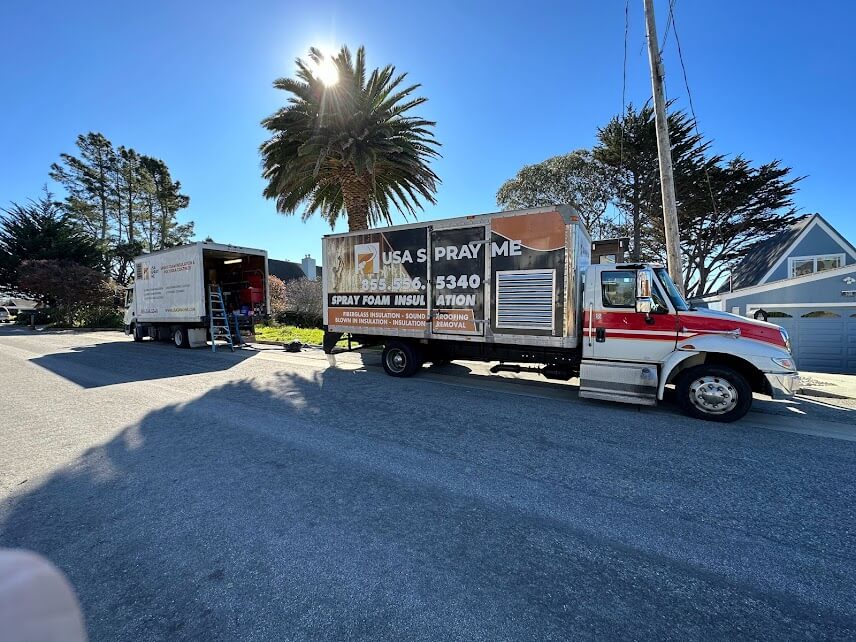
Get an Instant Quote From a Licensed California Insulation Contractor
USA Spray Me (CSLB Lic# 1058008) installs spray foam, blow-in, fiberglass and soundproofing insulation, foam roofing and protective coatings throughout the San Francisco Bay Area and within 100 miles of the city, including Fremont. Call (855) 566-5340 or request a free inspection below — save $250 on orders over $2,500.