
- Green Building Ordinance applies to all projects
- Four green options: cellulose, cotton/denim, mineral wool, spray foam
- Higher upfront cost, long-term savings
Oakland Green Building Code
The ordinance aims to cut buildings' carbon footprint through more energy-efficient, eco-friendly construction. Links to the City of Oakland green building page and a quote CTA.
Mandatory Insulation Requirements
Oakland's rules specify insulation material types and minimum R-values for walls, roofs and floors to ensure adequate thermal resistance. No specific R-values are stated in the post.
Energy Efficiency Standards
Beyond insulation, the ordinance sets strict energy-efficiency standards to lower energy use, greenhouse gas emissions and utility costs. USA Spray Me is San Francisco-based, serves Northern California, and specializes in polyurethane foam with strong thermal performance and air sealing.
Best Green Insulation Options
Introduces the four recommended eco-friendly insulation types.
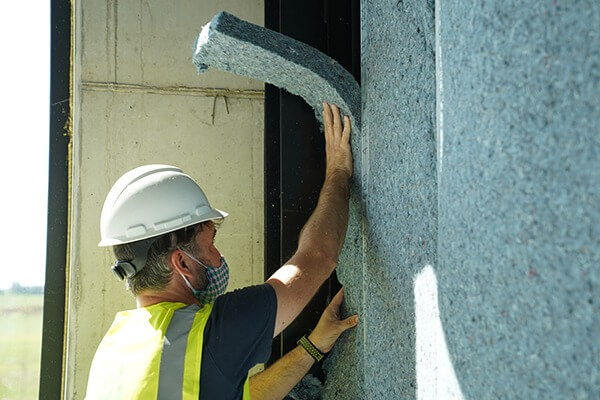
Cellulose Insulation
Made from recycled paper treated with fire retardants; strong thermal resistance and noise reduction. High recycled content gives a better environmental profile than most alternatives.
Cotton (Denim) Insulation
Recycled cotton fibers including textile scraps, borate-treated for fire resistance and pest control. Non-toxic, easy to handle, good thermal and acoustic performance.
Mineral Wool Insulation
Rock wool and slag wool made from natural minerals and industrial by-products. Withstands temperatures up to 1,800°F, resists moisture, helps prevent mold and supports indoor air quality.
- Withstands up to 1,800°F
Spray Foam Insulation
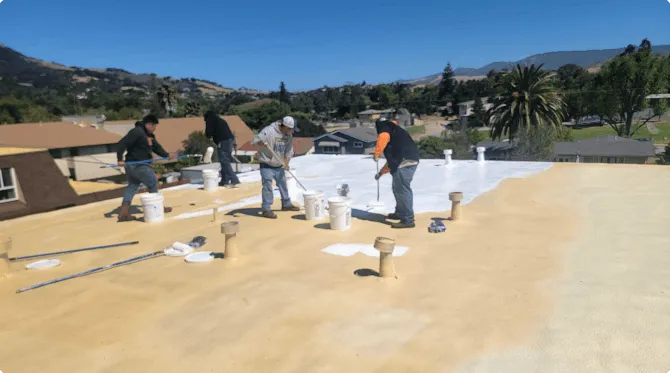
Applied as a liquid that expands to form an airtight seal in small gaps. Open-cell is less dense with good thermal insulation; closed-cell is denser with stronger thermal resistance and moisture control.
Pros
Four advantages of green insulation.
Energy Savings
Steady indoor temperatures reduce HVAC needs, energy bills and carbon footprint. Spray foam reduces air leaks; cellulose keeps buildings warm in winter and cool in summer.
Licensed, bonded & insured — free on-site inspections within 100 miles of San Francisco. Save $250 on orders over $2,500.
Environmental Benefits
Recycled or renewable materials have a smaller environmental impact. Denim fibers for cotton insulation can be recovered from landfills, reducing textile waste.
Health Benefits
Many traditional insulations release harmful chemicals and toxic gases that can cause respiratory problems; green options improve indoor air quality.
Long-term Savings
(Bold text, not a heading tag.) Green insulation costs more upfront but reduces utility bills over time and tends to last longer, reducing replacement and maintenance.
Cons
Four drawbacks of green insulation.
Higher Initial Costs
Eco-friendly materials cost more due to sustainable sourcing and manufacturing; spray foam is more expensive than most other options.
Limited Availability
Some green materials are harder to find or special-order, causing longer lead times; plan early and use reliable suppliers.
Installation Challenges
Some products need specialized equipment or techniques, raising labor costs and risk of complications.
Maintenance and Durability
Many green options are durable but some need more upkeep; cellulose can settle and lose effectiveness, so regular inspections are recommended.
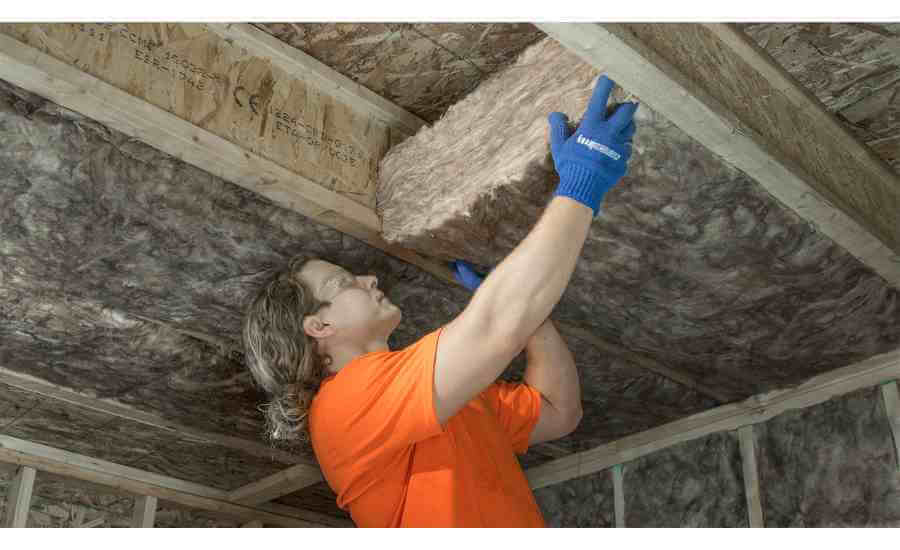
Get an Instant Quote From a Licensed California Insulation Contractor
USA Spray Me (CSLB Lic# 1058008) installs spray foam, blow-in, fiberglass and soundproofing insulation, foam roofing and protective coatings throughout the San Francisco Bay Area and within 100 miles of the city, including Oakland. Call (855) 566-5340 or request a free inspection below — save $250 on orders over $2,500.