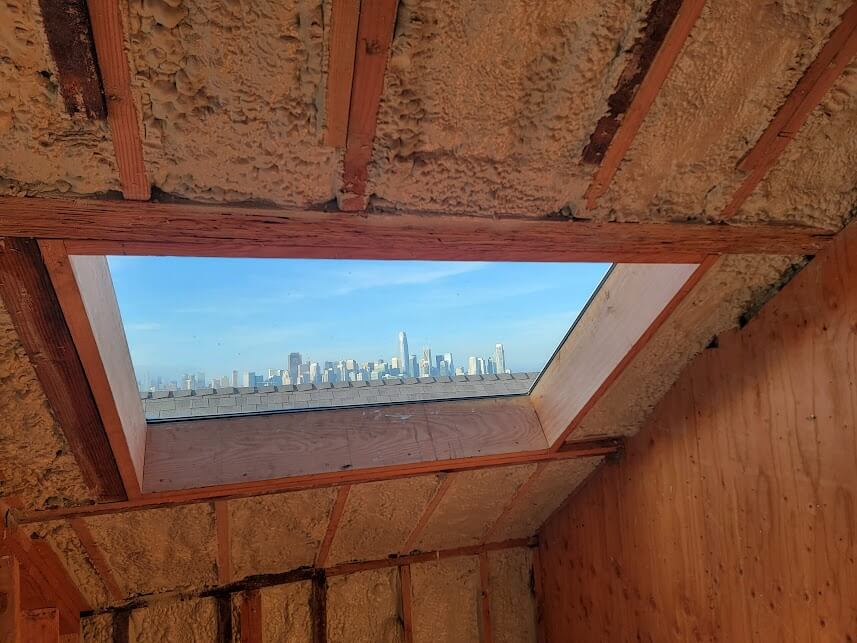
- Fiberglass is affordable but weak at air sealing;
- cellulose is eco-friendly with strong soundproofing but can settle;
- spray foam offers top performance at higher upfront cost;
- cotton is eco-friendly and easy to handle but pricier.
- Promotes USA Spray Me's spray foam services.
Overview of Insulation Options
Introduces fiberglass, cellulose, spray foam and cotton for Oakland research labs. Right insulation supports stable conditions, lower energy costs and sustainability. Fiberglass (bold, not a heading): cost-effective, batts or loose-fill, decent thermal and acoustic performance; drawbacks are skin irritation and weak air sealing.
Cellulose
Recycled paper treated with fire retardants. Fills irregular spaces better than fiberglass; praised for noise reduction. Settles over time; regular checks and maintenance help.
Spray Foam
Expands to seal gaps and create an airtight barrier preventing drafts and energy loss. Higher upfront cost; professional installation essential to avoid improper application and off-gassing.
Cotton
Made from recycled denim and cotton fibers; good thermal insulation and natural soundproofing. More expensive and may need additional fire-resistant treatments. Section ends introducing USA Spray Me as San Francisco-based, serving Northern California with polyurethane foam.
Licensed, bonded & insured — free on-site inspections within 100 miles of San Francisco. Save $250 on orders over $2,500.
Pros and Cons
Comparison table of the four materials with brief summaries.
| Material | Pros | Cons | Summary |
|---|---|---|---|
| Fiberglass | Cost-effective; non-combustible; decent thermal insulation | Can cause irritation; requires precise installation; weak at sealing air leaks | Affordable, less effective at air sealing |
| Cellulose | Eco-friendly; good thermal performance; conforms to irregular spaces; good soundproofing | Settles over time; needs maintenance; potentially more expensive than fiberglass | Eco-friendly, good soundproofing, may settle |
| Spray Foam | Fills gaps; airtight seal; high R-value; significant energy savings; excellent thermal performance | Higher upfront cost; requires professional installation; improper installation may cause off-gassing | High performance, excellent sealing, costly, needs pros |
| Cotton | Eco-friendly; non-irritating; easy to handle; good thermal and acoustic insulation | More expensive; may need fire retardant treatments | Renewable, non-irritating, more expensive |
Sustainability and Energy Efficiency
Sustainability: proper insulation cuts energy use, utility costs and the lab's carbon footprint. Environmental concerns: fiberglass and spray foam are less eco-friendly due to manufacturing and chemicals; cellulose and cotton are greener with higher recycled content. Energy savings: insulation reduces heat transfer, improves HVAC efficiency, lowers bills and extends system life; spray foam offers long-term savings, fiberglass noticeable improvement when properly installed.
Making the Right Choice for Your Home
The right choice for an Oakland lab balances cost, performance and environmental impact. (Heading says 'home' - inconsistent with lab topic.)
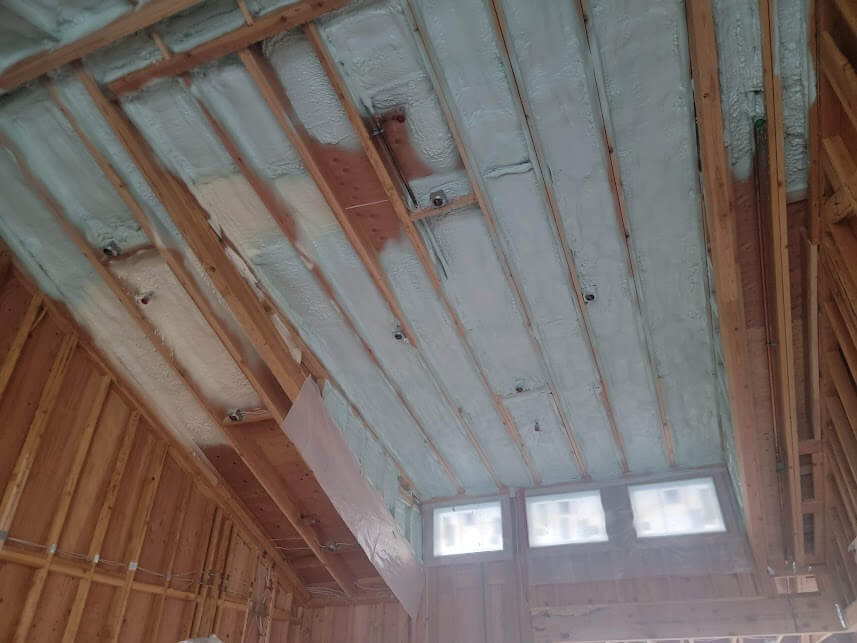

Get an Instant Quote From a Licensed California Insulation Contractor
USA Spray Me (CSLB Lic# 1058008) installs spray foam, blow-in, fiberglass and soundproofing insulation, foam roofing and protective coatings throughout the San Francisco Bay Area and within 100 miles of the city, including Oakland. Call (855) 566-5340 or request a free inspection below — save $250 on orders over $2,500.