- SFGBC sets insulation standards for efficiency and lower environmental impact
- Proper insulation produces significant long-term energy savings
- Fiberglass, cellulose, spray foam, mineral wool and rigid foam board meet code
- Eco-friendly materials improve indoor air quality
- USA Spray Me is a compliant provider
- Insulation Options for Green Buildings in San Francisco
- San Francisco Green Building Code Requirements
- Types of Insulation for Green Buildings
- The Benefits of Insulation for Green Buildings
- Industry Trends 2025
- Choosing the Right Type of Green Building Insulation
- Initial Cost vs. Long-Term Savings
- Professional Installation vs. DIY
- Maintenance Requirements
Insulation Options for Green Buildings in San Francisco
Introduces the San Francisco Green Building Code (SFGBC) as a framework for healthy, sustainable buildings; insulation reduces energy use, improves indoor air quality and lowers environmental impact.
Significance of Insulation in Sustainable Building
Keeps indoor temperatures steady so HVAC works less, saving money over time; better soundproofing also noted.
San Francisco Green Building Code Requirements
SFGBC sets specific R-value guidelines for new buildings and major renovations; higher R means better thermal resistance.
Energy Efficiency Requirements
Minimums: residential ceilings R-38, wood-framed walls R-21, floors R-30, basement or crawlspace walls R-19.
- Ceilings R-38
- Wood-framed walls R-21
- Floors R-30
- Basement/crawlspace walls R-19
Eco-Friendly Materials and Insulation
SFGBC favors low-environmental-impact insulation; cellulose (recycled paper) and mineral wool (natural rock or slag) recommended.
Health Impact of Insulation Materials
Some insulation releases chemicals or fibers affecting indoor air; fiberglass can release glass fibers if not sealed; cellulose and mineral wool generally safer; low-VOC materials advised.
Types of Insulation for Green Buildings
Six-type comparison table.
| Insulation Type | Forms Available | Key Benefits | Applications |
|---|---|---|---|
| Fiberglass | Batts, Rolls, Loose-fill | Fire-resistant, Moisture-resistant | Walls, Attics, Floors |
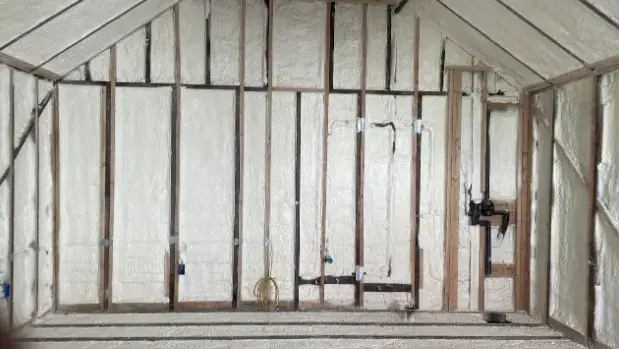
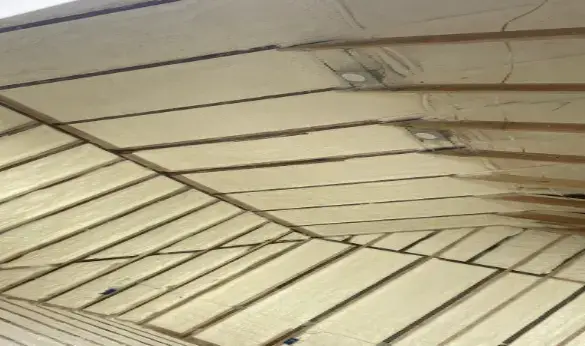
| Spray Foam | Liquid expanding | Excellent air barrier, Superior thermal resistance | Hard-to-reach areas |
| Cellulose | Loose-fill | Good thermal performance, Pest-resistant | Attics, Walls |
| Rigid Foam | Boards | High R-value, Moisture-resistant | Exterior Walls, Roofs, Foundations |
| Mineral Wool | Batts, Rolls, Loose-fill | Fire-resistant, Good soundproofing | Walls, Attics, Floors |
| Reflective Insulation | Sheets | Reflects heat, Lightweight | Attics, Roofs |
The Benefits of Insulation for Green Buildings
Benefits list.
- Lower energy use
- Lower utility bills
- Smaller carbon footprint
- Reduced outdoor pollutant and allergen infiltration
- Healthier environment
- Better comfort: fewer drafts, stable temperatures
Licensed, bonded & insured — free on-site inspections within 100 miles of San Francisco. Save $250 on orders over $2,500.
Industry Trends 2025
California's 2025 Title 24 update and the SFGBC projected to cut residential energy use roughly 7-8% vs the 2021 baseline. Starting 2025, Energy Star for Homes Version 3.2 requires 2021 IECC insulation standards for the federal 45L tax credit, pushing Bay Area builders toward spray foam and rigid foam.
- 2025 Title 24 + SFGBC: ~7–8% residential energy reduction vs 2021
- Energy Star Homes v3.2: 2021 IECC insulation required for 45L credit
Choosing the Right Type of Green Building Insulation
Depends on design, climate and requirements. Spray foam for sealing gaps in hard-to-reach areas; rigid foam for exterior walls and foundations; cellulose for attics and walls.
Cost and Installation Factors
Covers upfront cost, installer choice, maintenance.
Initial Cost vs. Long-Term Savings
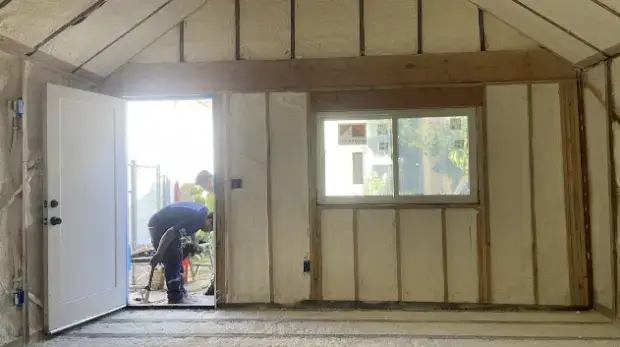
Spray foam costs more upfront than fiberglass or cellulose but offsets through energy savings; rigid foam also costs more initially but offers durability and savings.
Professional Installation vs. DIY
Professional installation ensures correct application and code compliance, especially for spray foam and rigid foam boards.
Maintenance Requirements
Fiberglass and cellulose may need periodic inspection; spray foam and rigid foam need less maintenance since they resist moisture and pests.
Get an Instant Quote From a Licensed California Insulation Contractor
USA Spray Me (CSLB Lic# 1058008) installs spray foam, blow-in, fiberglass and soundproofing insulation, foam roofing and protective coatings throughout the San Francisco Bay Area and within 100 miles of the city, including San Francisco. Call (855) 566-5340 or request a free inspection below — save $250 on orders over $2,500.