Comparing Spray Foam and Rockwool Insulation: Cost & Performance
Spray foam: R-6 to 7 per inch, $2.00 to $9.00 per sq ft. Rockwool: R-3 to 4 per inch, $0.62 to $1.10 per sq ft.
- Spray foam R-6–7/in, $2.00–$9.00/sq ft
- Rockwool R-3–4/in, $0.62–$1.10/sq ft
Cost & R-Values Overview
R-value defined as resistance to heat flow. Spray foam 6–7/in, Rockwool 3–4/in. Costs $2.00–$9.00/sq ft (spray foam) and $0.62–$1.10/sq ft (Rockwool), approximate and project-dependent.
Thermal Performance Comparison
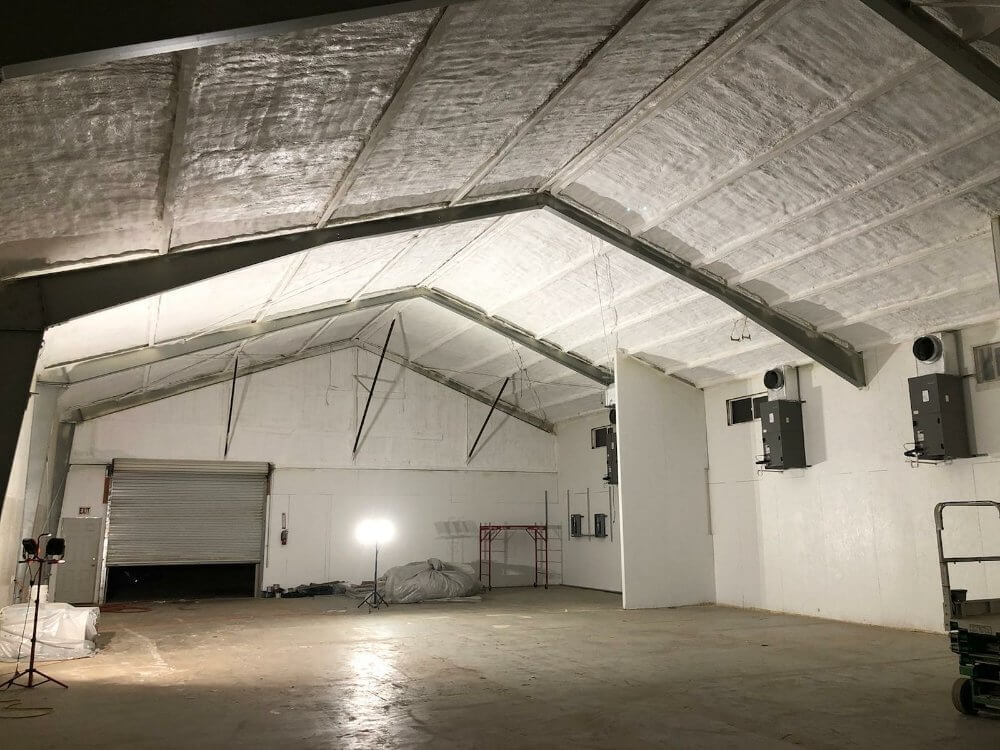
Spray foam suited to extreme climates, expands to fill gaps and forms an air barrier. Rockwool's dense structure reduces heat transfer and stabilizes temperatures; effective in moderate climates with less temperature variation.
Spray Foam Insulation
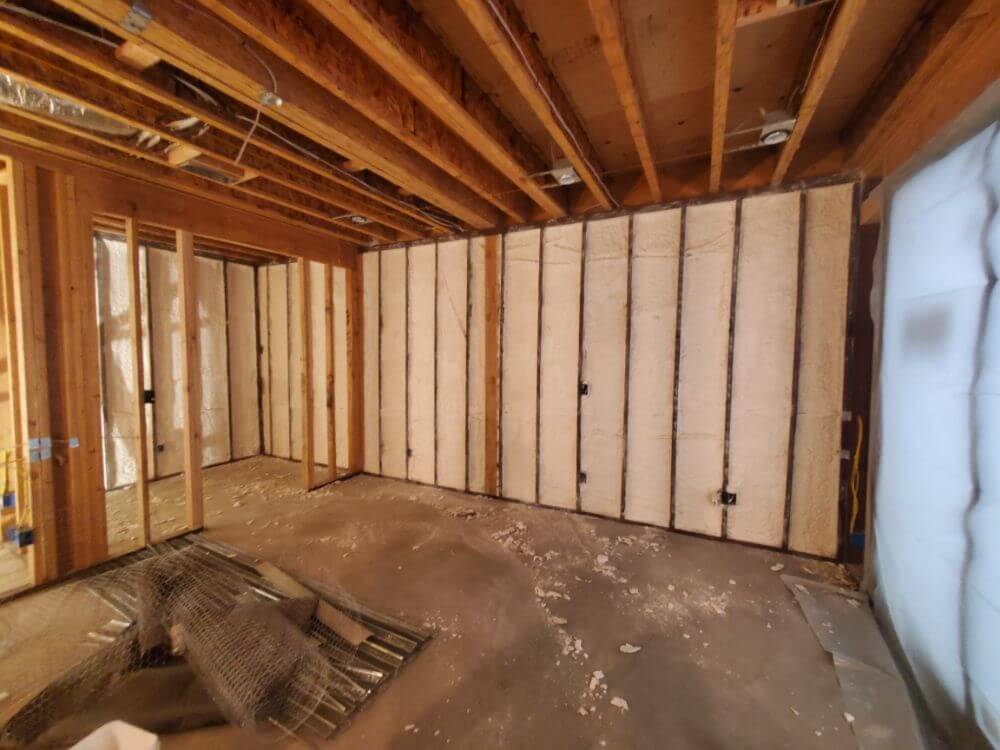
Improves energy efficiency through high thermal resistance and air sealing; open-cell and closed-cell types differ in density and R-value.
Cost Breakdown
Open-cell $2.00 to $5.00 per board foot (lower R-value, lower density). Closed-cell $4.00 to $9.00 per board foot (higher density, higher R-value). Note: board-foot units differ from per-sq-ft figures elsewhere on the page.
- Open-cell $2.00–$5.00/board ft
- Closed-cell $4.00–$9.00/board ft
Installation Process
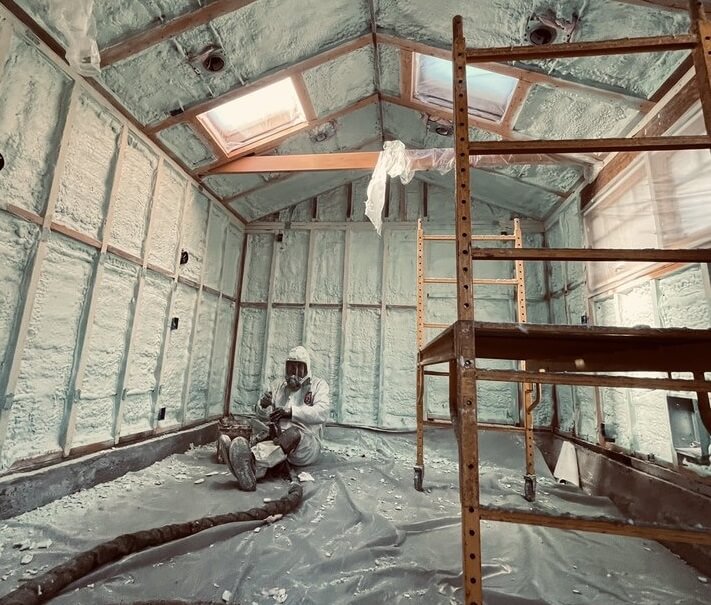
Requires professional expertise and specialized equipment. Steps: professional assessment to choose foam type/quantity, surface preparation for adhesion, application with spray equipment, curing time.
Advantages
High R-value per inch; superior air sealing reducing drafts and energy costs; moisture resistance preventing mold and mildew.
Limitations
Higher upfront cost; professional installation required; potential chemical off-gassing during and after installation.
Preferred Installation Areas (Spray Foam)
Extreme climates, irregular or hard-to-reach surfaces, buildings where air sealing is critical.
Rockwool Insulation
Also called mineral wool; made from volcanic rock and steel slag; naturally fire-resistant with soundproofing qualities.
Preferred Installation Areas (Rockwool)
Walls and ceilings where noise reduction matters; attics and basements where fire safety is a concern; multi-family buildings and home offices to minimize sound transmission.
Comparing Thermal Performance
Spray foam performs better thermally (R-6 to 7/in, air sealing, moisture resistance). Rockwool offers consistent insulation, durability, no settling or sagging; suited to moderate climates.
Energy Efficiency Implications
Air sealing is the key driver; spray foam reduces drafts and keeps conditioned air inside, letting HVAC run more efficiently.
Soundproofing Capabilities
Spray foam reduces noise by sealing gaps and reducing airborne noise and vibration; all-in-one thermal, air-sealing and soundproofing. Rockwool is a good sound absorber for walls and ceilings and can be combined with spray foam for the most complete soundproofing.
Spray Foam's Acoustic Benefits
Gap sealing, noise and vibration reduction, dual thermal and acoustic function.
Licensed, bonded & insured — free on-site inspections within 100 miles of San Francisco. Save $250 on orders over $2,500.
Rockwool's Acoustic Benefits
Dense fibrous structure absorbs sound and reduces transmission through walls and ceilings; combinable with spray foam.
Fire Resistance and Safety
Rockwool naturally fire-resistant. Spray foam fire-safe when properly installed and treated with retardants; airtight seal may limit smoke and heat spread.
Rockwool's Fire Safety
Withstands temperatures up to 1,000°C without melting or releasing toxic gases; recommended for attics and near electrical components.
- Up to 1,000°C
Spray Foam Fire Considerations
Can be treated with fire retardants; many modern formulations include fire-resistant additives; airtight seal may contain smoke and heat.
Environmental Impact
Rockwool: natural composition, recyclable, durable. Spray foam: energy-efficient and long-lasting with lower carbon footprint, though petrochemical-based.
Sustainability of Rockwool
Natural materials, recyclable, durable, low production impact; durability reduces replacement.
Eco-Friendliness of Spray Foam
Cuts energy use and carbon footprint substantially; low-emission and eco-friendly blowing agents available; long-term savings make it environmentally favorable overall.
Installation and Maintenance Ease
Spray foam needs professional installation with specialized equipment and safety precautions. Rockwool is easier, often DIY, low maintenance since it does not settle or sag.
Professional Requirements
Professionals assess the home for foam type and amount; adds cost but ensures airtight seal and efficiency.
Industry Trends 2025
U.S. DOE projects the 2024 IECC will reduce residential energy use about 7.8% and lower energy costs about 6.6% vs the 2021 code. In early 2025 Energy Star for Homes Version 3.2 began requiring new U.S. homes to meet 2021 IECC insulation standards to qualify for the federal 45L tax credit.
- 2024 IECC: -7.8% energy use, -6.6% energy costs vs 2021
- Energy Star Homes v3.2 requires 2021 IECC insulation for 45L credit
Recommendations for Homeowners
Grouped by climate, budget and long-term savings.
Considerations for Climate
Cold climates benefit most from spray foam; moderate climates also get good performance and reduced air leakage; strong for hard-to-reach and irregular spaces.
Budget Prioritization
Spray foam's higher initial cost offset by greater long-term energy savings vs Rockwool.
Long-Term Savings
Strong air sealing lowers energy costs over time; durability reduces maintenance and replacement.
Get an Instant Quote From a Licensed California Insulation Contractor
USA Spray Me (CSLB Lic# 1058008) installs spray foam, blow-in, fiberglass and soundproofing insulation, foam roofing and protective coatings throughout the San Francisco Bay Area and within 100 miles of the city. Call (855) 566-5340 or request a free inspection below — save $250 on orders over $2,500.