The fastest way to reduce indoor humidity is to find where the moisture comes from and stop it there. Fans, air conditioning and dehumidifiers remove moisture that is already in the air. Air leaks, damp foundations and crawl spaces keep adding more. In many homes and commercial buildings, the lasting fix is a sealed, properly insulated building envelope, which is the work our crews do across the San Francisco Bay Area.
TL;DR
- Aim for indoor relative humidity (RH) between 30% and 50%, and keep it below 60%, according to the EPA.
- Start with source control: leaks, damp soil under the building, unvented appliances and missing exhaust fans. It is typically the most cost-effective approach.
- Opening windows only helps when the outdoor air is drier than the indoor air. Exhaust fans and a properly sized dehumidifier work in any weather.
- Air leaks carry moist air into walls and attics. Sealing them and insulating with spray foam deals with the cause instead of the symptom.
Table of Contents
- What humidity level should you aim for?
- Find the moisture source before buying equipment
- Ventilation and air conditioning
- Does opening windows reduce humidity?
- When to use a dehumidifier
- How air leaks and insulation affect humidity
- Putting it in order
- Moisture, air sealing and insulation from one crew
- Our perspective
- FAQ
- Sources
What humidity level should you aim for?
Relative humidity is the share of water vapor the air holds compared with the most it could hold at that temperature. The EPA says to keep it below 60%, ideally between 30% and 50%, and suggests a humidity meter that costs roughly $10 to $50 to check it. Other sources use slightly different bands: the Department of Energy’s Building America guide gives 35% to 50% for homes, and Mayo Clinic gives 30% to 50%.
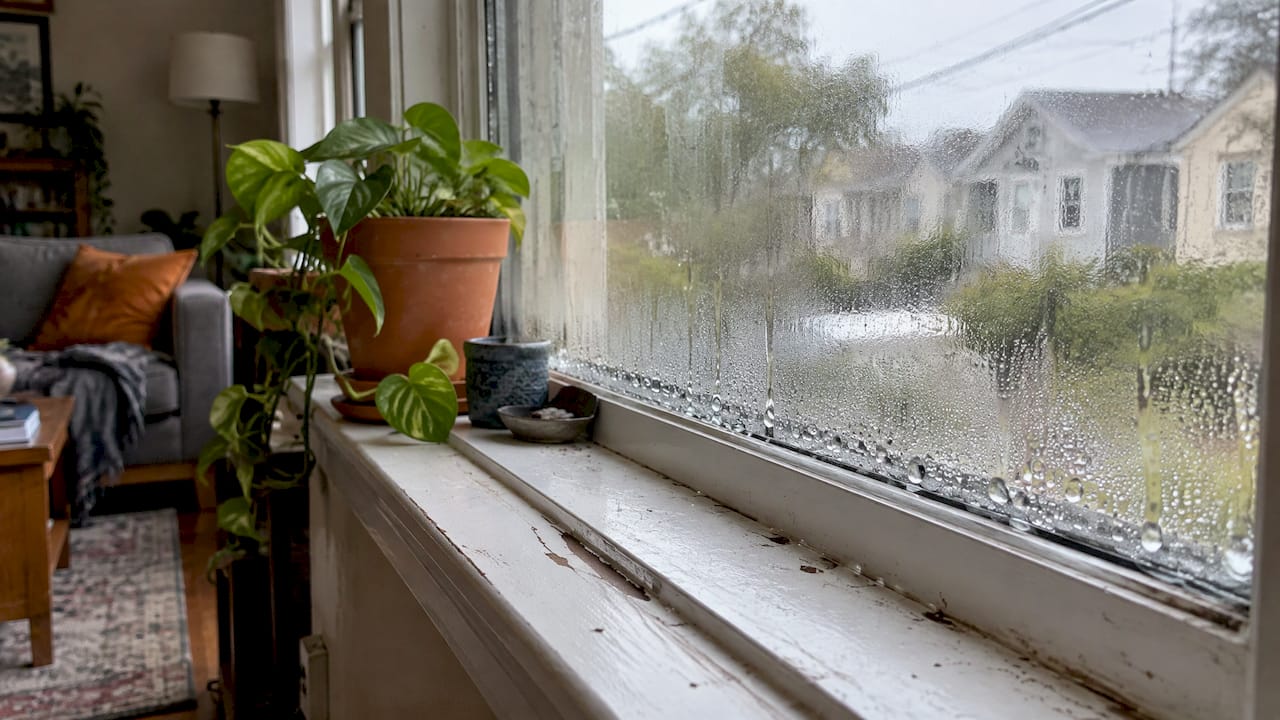
Why it matters: elevated humidity encourages mold, mildew and dust mites. Ongoing window condensation can rot sills and frames, and may point to hidden condensation inside walls or attics. University of Minnesota Extension lists the everyday warning signs: winter window condensation, mildew in bathrooms, visible mold, peeling paint and dust-mite allergies.
A cheap hygrometer in the bedroom, one in the basement or lowest floor, and one near the kitchen tell you more than any guess. Read them at different times of day, because humidity swings with cooking, showers and weather. If one room stays high while the others are fine, you have found where to look.
Find the moisture source before buying equipment
Every building scientist’s advice starts here. Joseph Lstiburek of Building Science Corporation describes three ways to control airborne moisture: source control, dilution and dehumidification. Source control is typically the most cost-effective and energy-efficient, and it works in all climates and seasons.
Everyday sources
UMN Extension lists bathing, cooking, dishwashing, breathing, houseplants, humidifiers, stored firewood and unvented appliances. The Department of Energy estimates that a typical family adds about three gallons of water a day to indoor air just by breathing and perspiring. You cannot remove that, so you vent it.
Practical steps from the EPA’s moisture guidance:
- Run bathroom and kitchen exhaust fans so they discharge outdoors, never into the attic.
- Vent the clothes dryer to the outside.
- Keep air-conditioner drip pans clean and drain lines clear.
- Slope the ground away from the foundation.
- Dry wet materials within 24 to 48 hours after a leak or spill. The EPA notes mold usually will not grow if you do.
For a ceiling or pipe leak, find and repair the leak first and only then dry and replace materials. This ceiling leak repair walkthrough shows the sequence.
The foundation and crawl space
This is the source most homeowners miss. Research summarized in the Building America guide found that improperly drained and sealed slabs, basement walls and crawl spaces can contribute as much as 50% of a home’s interior moisture load. Patrick Huelman of the University of Minnesota put it this way: foundations get wet from three sides and can only dry to the inside. An untreated foundation becomes a constant supply of moisture.
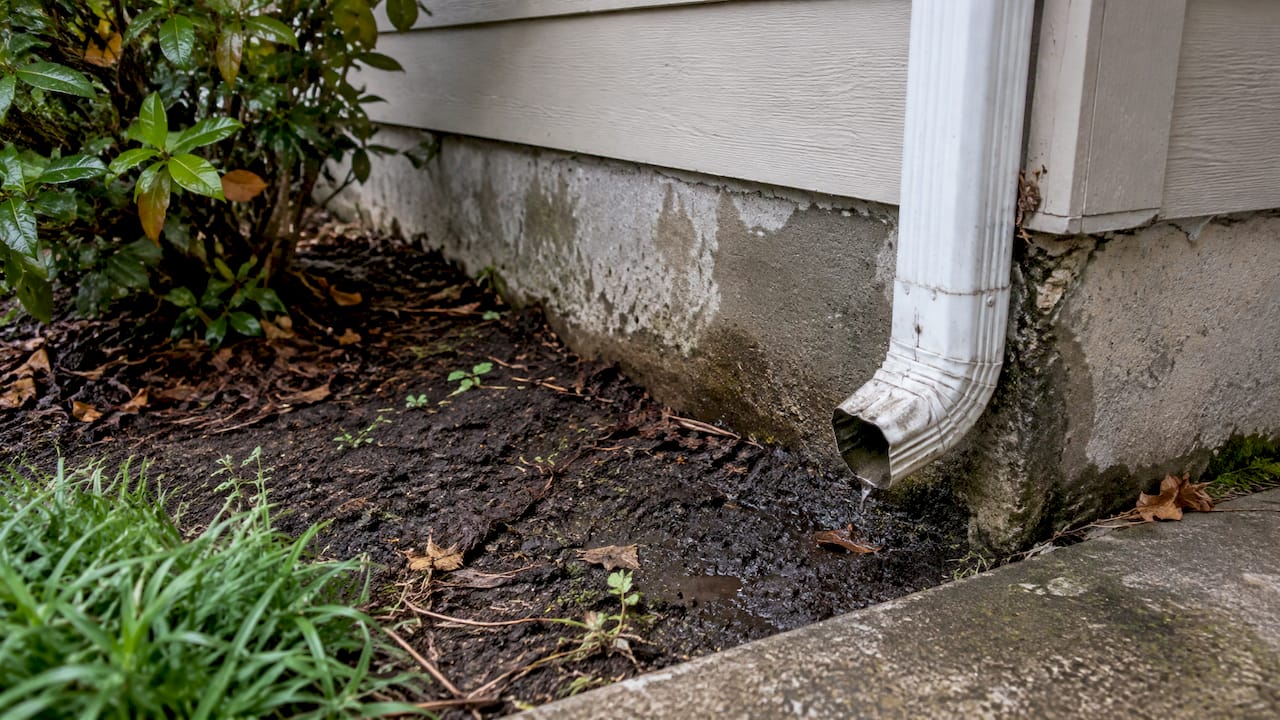
The EPA recommends a plastic cover over dirt in crawl spaces. If your basement smells damp, your floors feel clammy or a dehumidifier fills its tank daily, read our guides on foundation moisture problems, waterproofing a concrete basement and crawl space encapsulation and insulation.
Ventilation and air conditioning
Once the sources are under control, ventilate the moisture you cannot avoid making. The Department of Energy’s Guide to Home Ventilation describes three approaches:
- Natural ventilation: open windows and doors.
- Spot ventilation: range hoods and bathroom fans that remove moisture where it is made.
- Whole-house ventilation: exhaust-only, supply-only or balanced fan-and-duct systems, including heat-recovery ventilators, which the guide says can supply fresh air after air sealing.
Shower and cooking moisture is a small, short burst. Run the fan during and for a while after. The EPA’s moisture-control guidance explains that the air conditioner’s most important humidity job is handling the large, nearly continuous load from incoming ventilation air, with a target indoor dew point below 55°F (about 50% RH at 75°F).
One catch: air conditioners that cool quickly may not run long enough to pull out moisture. If your AC cycles on and off fast and the air still feels sticky, the unit may be oversized for the load, or the real problem is moisture entering through leaks. Pair it with a dehumidifier, or reduce the leakage feeding it.
Does opening windows reduce humidity?
Sometimes. Lstiburek explains that replacing indoor air with outdoor air only lowers moisture if the outside air is drier. When it is not, more air change brings more moisture in. UMN Extension gives the practical version: in winter, crack windows briefly to let warm, moist air out and cold, dry air in. In summer, use a properly sized air conditioner or a stand-alone dehumidifier instead.
A simple rule: open windows on cool, dry days and when you cook or shower. Keep them shut on muggy, foggy or rainy days. Compare your indoor hygrometer with a local weather report if you are unsure.
When to use a dehumidifier
A dehumidifier works like an air conditioner without the cooling effect, and Mayo Clinic notes people often use them to dry damp basements. Their collection trays need regular draining and cleaning to prevent bacteria and mold. Use one when the source cannot be removed, or while you work on it.
Sizing and placement. Manufacturers size whole-home units by floor area, region and how leaky the house is. One Lennox installation document lists maximum home sizes from 1,400 sq ft for an 80-pint unit up to 7,200 sq ft for a 130-pint unit, depending on region and air-change rate. Leakier homes need more capacity, which is another reason to seal first. Building America guidance recommends an ENERGY STAR-qualified unit with an efficacy of at least 1.5 liters per kWh, placed centrally, with condensate piped to a drain rather than a bucket (BSC Information Sheet 620).
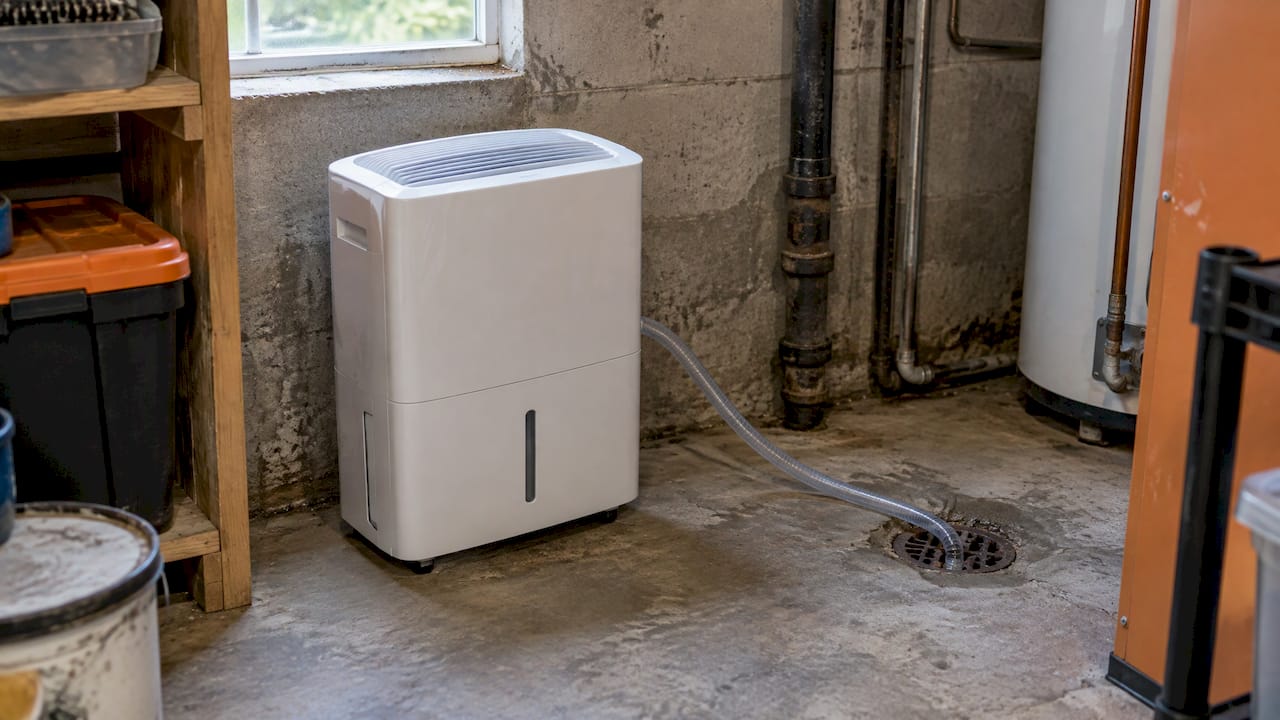
What it can do. In a Houston field study reported by the Department of Energy, efficient homes with supplemental dehumidifiers kept RH below 60% at least 90% of the time, while homes relying on air conditioning alone exceeded 60% for about 20% or more of monitored hours (Building America Best Practices, Volume 16).
Before you install one. Building America’s HVAC guide says to rule out other sources first: a dirt basement or crawl space floor without a vapor barrier, open sump pumps, poor grading, inadequate exhaust ventilation, or fans that vent into the attic. A dehumidifier that runs nonstop in a basement is telling you something about the foundation.
How air leaks and insulation affect humidity
Here the building envelope matters. The Department of Energy’s ventilation guide says uncontrolled airflow can bring warm, moist air into contact with cold surfaces and cause condensation. It also warns that insulation alone cannot prevent moisture problems: you must seal the air-leakage paths between living space and attics, basements and crawl spaces.
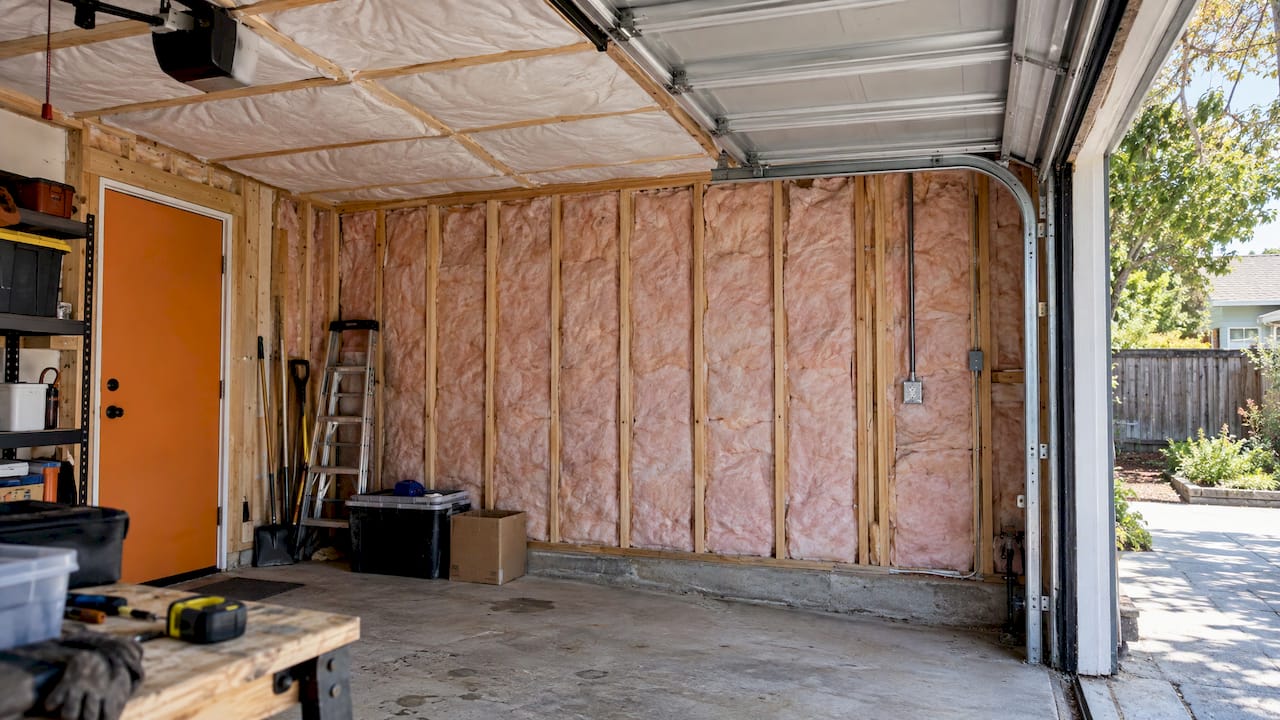
The NACHI inspection guide puts the principle plainly: air carries both moisture and energy, often in the direction you do not want. Most insulation will not stop air leaks, so air sealing is an essential first step before adding insulation. Leaks can carry hot, humid outdoor air in during summer and push moist bathroom air into a cool attic in winter.
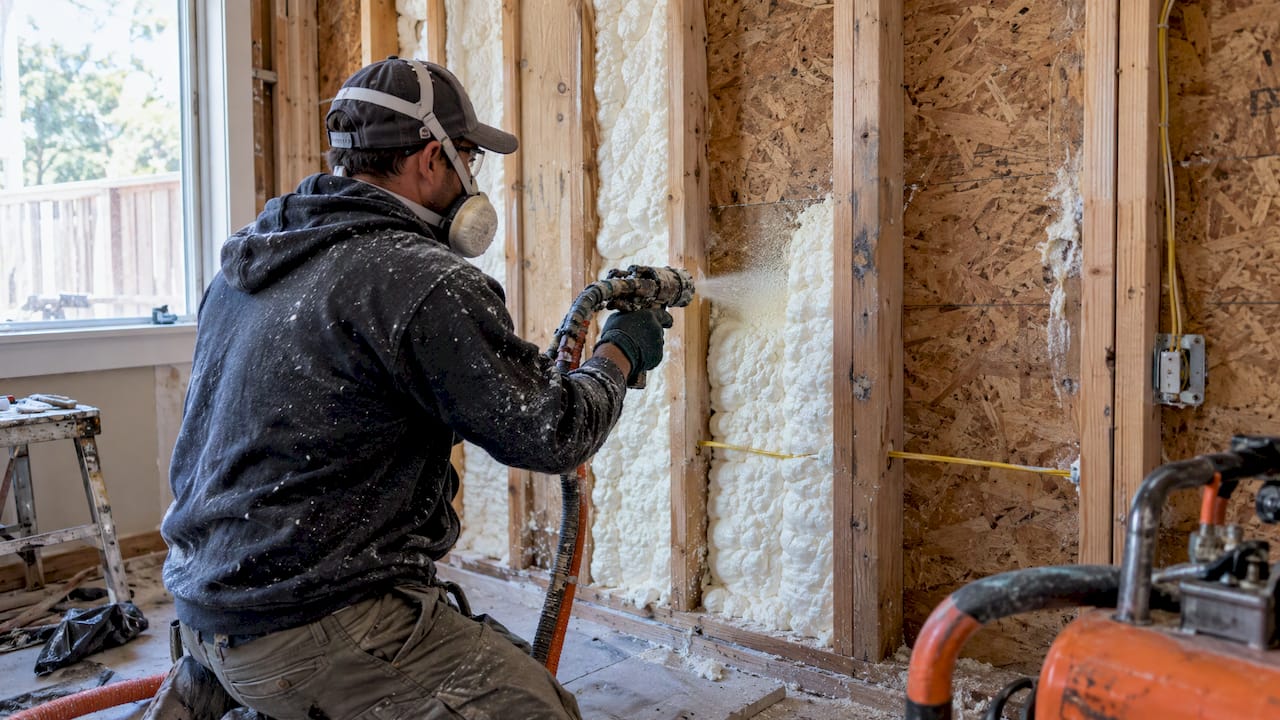
This is where spray foam fits. Spray foam expands into gaps and cracks, so the insulation and the air seal go in together in one pass. That is the reason we use it where moisture is a concern, in attics, walls, rim joists and crawl spaces. Our guide on how to stop air leaks in your house covers where leaks hide and how they get sealed.
Two cautions that belong with any air-sealing project, both from the Energy OutWest weatherization field guide: survey for indoor pollutants and combustion appliances before sealing, since changes in house pressure can affect them. And after a house becomes tighter, controlled ventilation may be needed, such as a bathroom fan that works or a heat-recovery ventilator. A tighter house with working exhaust is a drier, more predictable one.
Which product, and what it costs
Our published ranges, per our service pages:
| Service | Published price range | Unit |
|---|---|---|
| Spray foam insulation | $1.00 to $2.50 | per board foot |
| Closed-cell insulation | $1.50 to $2.50 | per board foot |
| Fiberglass insulation | $0.50 to $2.50 | per sq ft |
| Blow-in insulation | $1.20 to $3.50 | per sq ft |
| Insulation removal | $1 to $2 | per sq ft |
A board foot is one square foot of foam, one inch thick, so thickness drives the final figure. Final cost depends on the area, the thickness and the access. Our approach is transparent pricing with no upselling, and we will say when a less expensive option is enough for the job. If old, wet insulation is already in place, removal comes before anything new goes in.
Putting it in order
- Measure RH in several rooms and note where it is highest.
- Fix leaks, grading, dryer and fan venting.
- Address damp slabs, basement walls and crawl spaces.
- Seal air leaks and insulate the envelope.
- Add or restore ventilation as needed.
- Use a dehumidifier for whatever moisture remains, and keep checking your meter through the seasons.
Steps 2 to 4 are where most of the lasting improvement comes from. Steps 5 and 6 maintain it.
Moisture, air sealing and insulation from one crew
If your readings stay high after the easy fixes, the cause is usually in the building itself: a leaky attic, an uninsulated crawl space, a damp foundation. USA Spray Me installs spray foam and closed-cell insulation, waterproofing and related coatings for homes and commercial properties across the San Francisco Bay Area. Our certified crews are licensed in California, work to California energy and building code standards, and back each job with a workmanship warranty. Because we handle the building envelope with in-house crews, one team covers sealing, insulating and removing old material.

For a home, start with our spray foam insulation page. For an office, warehouse or multi-unit property, see commercial insulation. Or reach us from usasprayme.com to talk through your readings and where the moisture seems to be coming from.
Our perspective
Most humidity calls we hear about start with a dehumidifier running all day. The machine is doing its job, but it is working against a building that keeps letting moisture in.
We treat the envelope as one system. Air leaks, an unprotected crawl space and under-insulated attics are connected, and fixing one without the others often moves the problem instead of ending it. Spray foam suits this work because it seals and insulates at once, and closed-cell foam gives a dense layer in places where moisture is a concern.
Our approach is to price the work clearly, recommend only what the building needs, and tell you when a lower-cost option will do. Every project is handled by certified crews, built to California code and covered by a workmanship warranty.
USA
FAQ
Is 70% humidity in a room too high?
Yes. The EPA says indoor humidity should stay below 60%, ideally between 30% and 50%. At 70%, mold, mildew and dust mites have favorable conditions, and condensation is likely on cold surfaces. Find the source, ventilate, and use a dehumidifier while you fix the cause.
Does the AC reduce humidity?
It does while it runs, because cooling air removes moisture. But in humid conditions an air conditioner that cools quickly may shut off before it removes much, according to the EPA. Fewer leaks mean less moist air for it to handle, and a dehumidifier can cover the gap.
Is a dehumidifier good for a bedroom?
It can be, when the room stays above the 30% to 50% range. Choose a unit sized for the space, drain it regularly and clean the tank, as Mayo Clinic advises. If the bedroom is persistently damp, check for leaks, wall condensation or moisture from a crawl space below.
Can insulation reduce indoor humidity?
Insulation helps when installed with air sealing. Warm surfaces resist condensation, and sealed gaps stop moist air from entering walls and attics. The Department of Energy cautions that insulation alone cannot prevent moisture problems, so the air leaks must be sealed as part of the job.
Sources
- A Brief Guide to Mold, Moisture and Your Home, US EPA
- What are the main ways to control moisture in your home?, US EPA
- Moisture Control Guidance for Building Design, Construction and Maintenance, US EPA
- Managing Indoor Humidity and Ventilation in Cold Weather, DOE Building America Solution Center
- Controlling moisture problems in your home, UMN Extension
- Humidifiers: Ease skin, breathing symptoms, Mayo Clinic
- Residential Buildings moisture control, Building America Solution Center
- Guide to Home Ventilation, US Department of Energy
- BSC Information Sheet 620, Supplemental Humidity Control
- Building America Best Practices Series Volume 16
- Building America Best Practices Series Volume 14, HVAC guide
- HCWHD4 whole-home dehumidifier documentation, Lennox
- Energy OutWest Weatherization Field Guide
- Inspecting the Attic, Insulation, Ventilation and Interior, NACHI
- Ceiling leak repair: find the source, fix it, then the drywall
Recommended
- Foundation Moisture Problems: Signs, Causes and Fixes
- How to Waterproof a Concrete Basement: Methods and Costs
- How to Stop Air Leaks in Your House: Find, Seal, Insulate
Get an Instant Quote From a Licensed California Insulation Contractor
USA Spray Me (CSLB Lic# 1058008) installs spray foam, blow-in, fiberglass and soundproofing insulation, foam roofing and protective coatings throughout the San Francisco Bay Area and within 100 miles of the city. Call (855) 566-5340 or request a free inspection below. Save $250 on orders over $2,500.